
Last updated November 25, 2026
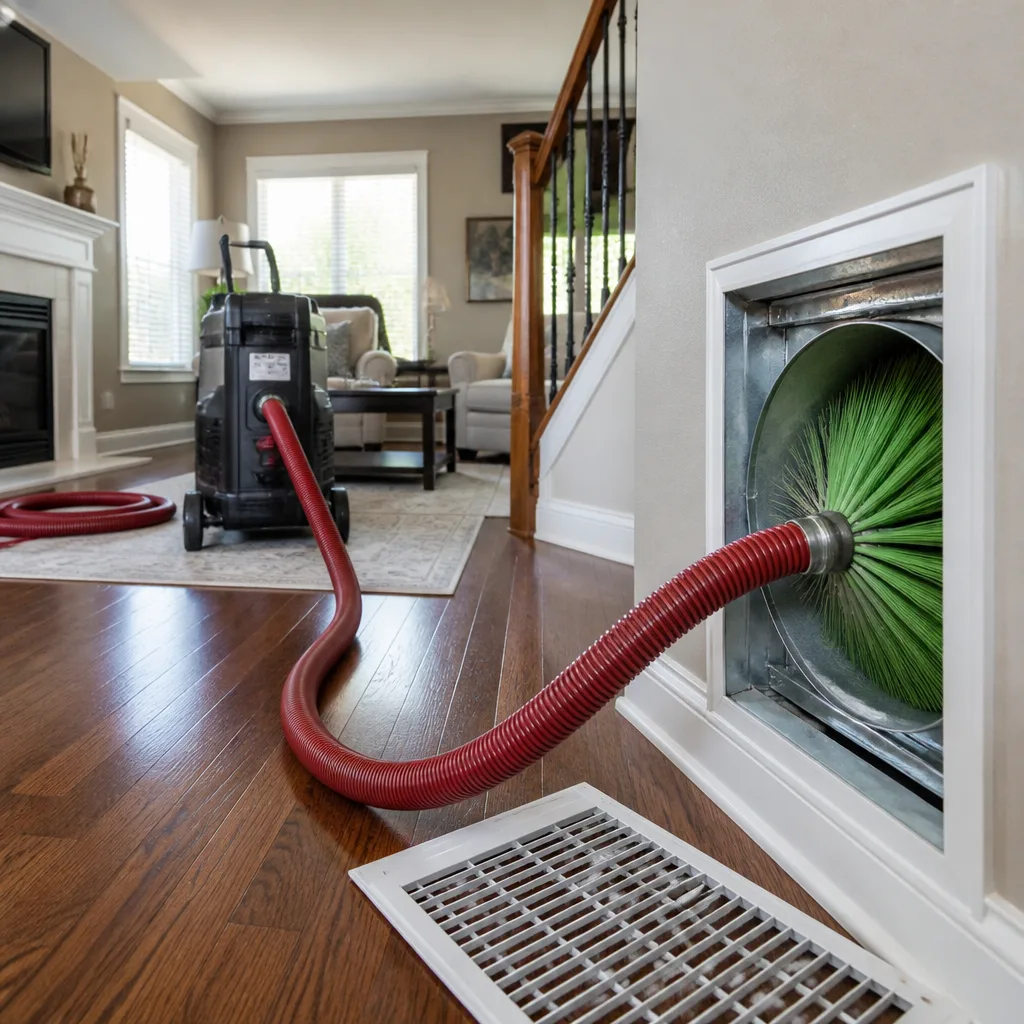 Whole-home duct cleaning
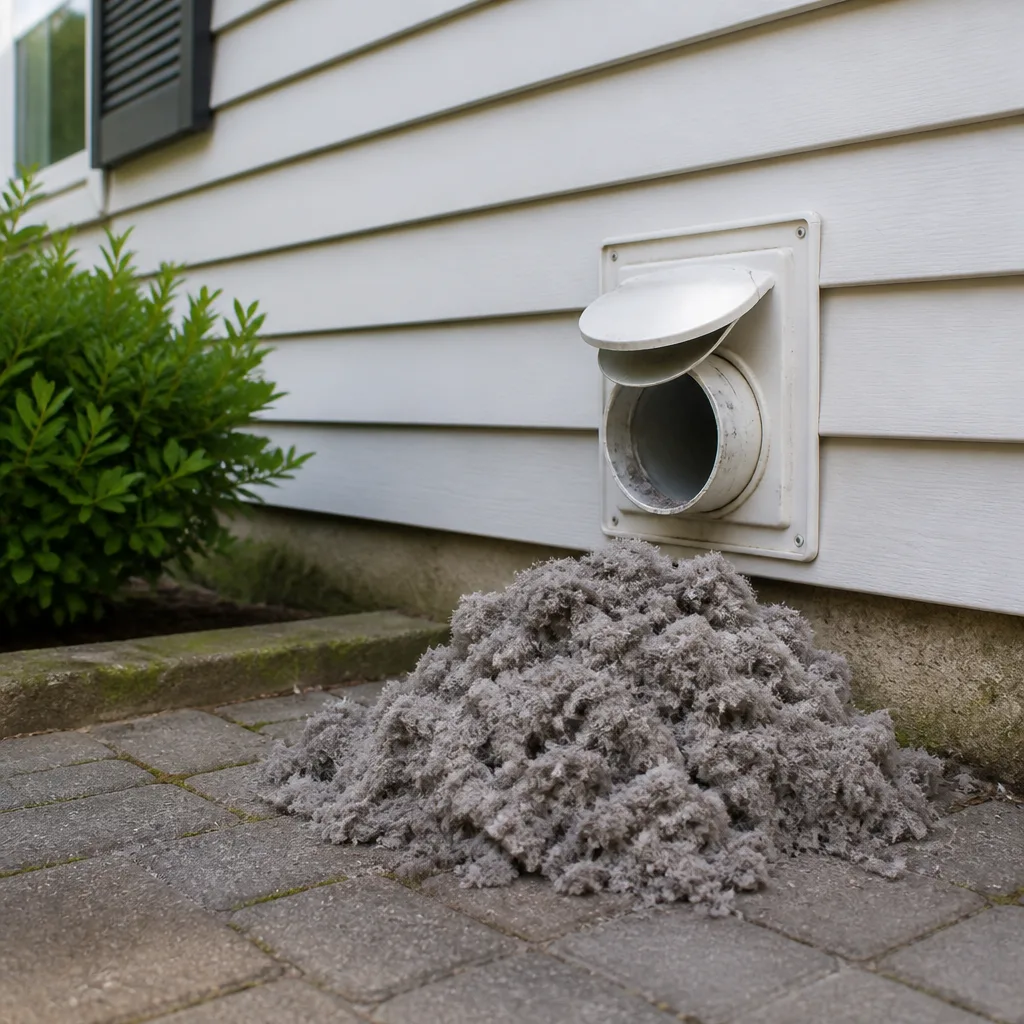 Dryer vent cleaning
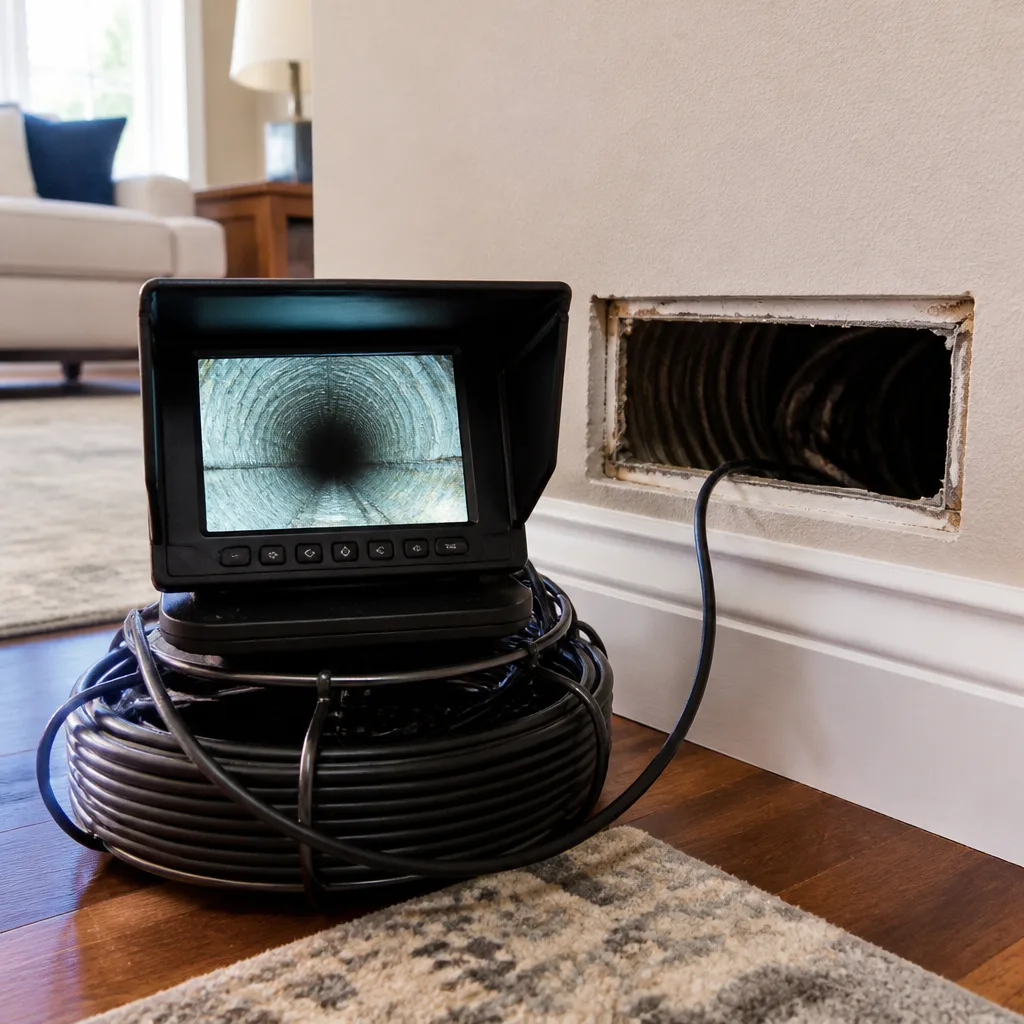 Camera inspection
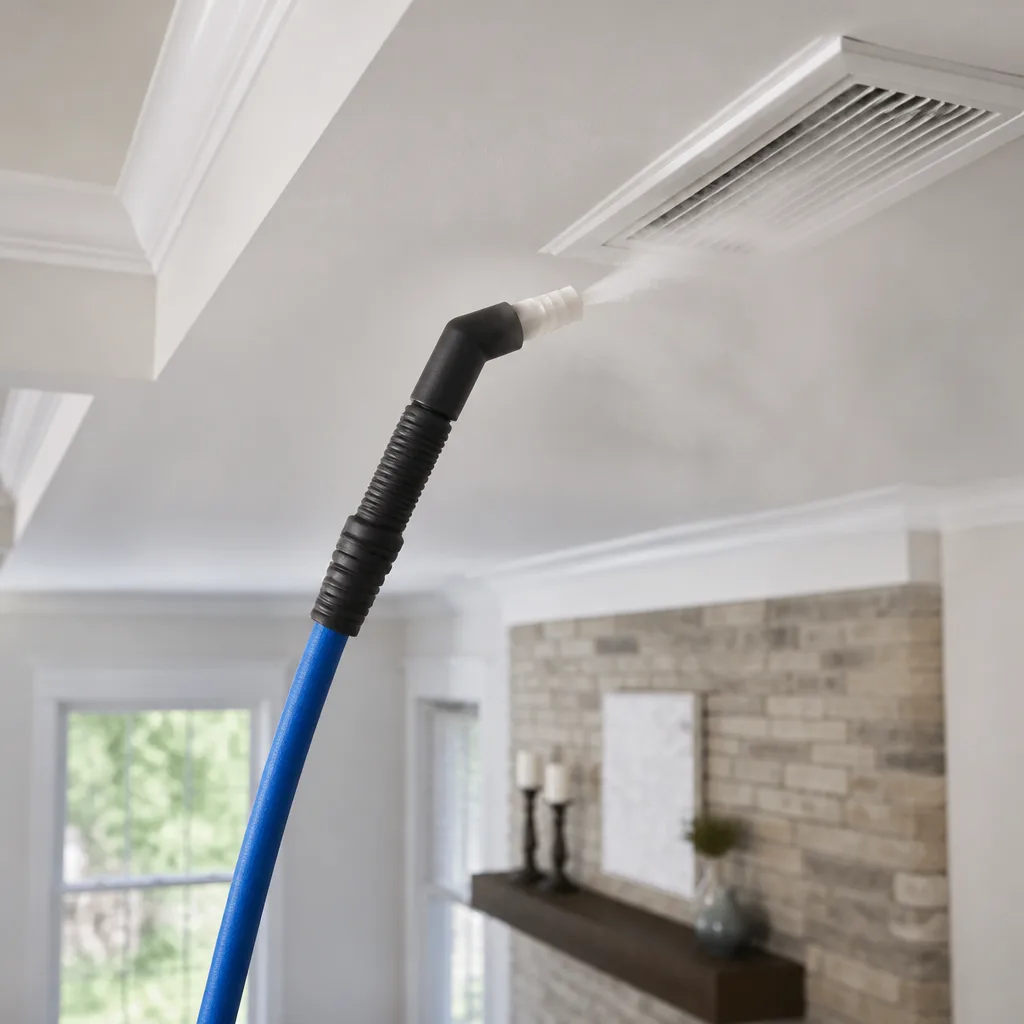 Sanitizing & deodorizing
Whole-system duct and dryer vent check with before-and-after photos - you see exactly what came out of your vents
That "$99 whole-house special" is a bait ad - the real number appears once they are in your hallway, or the "clean" is a shop-vac at the register. We photograph the inside of your ducts before and after instead.
How to Hire an Air Duct Cleaning Contractor in Southlands: A Step-by-Step Guide
That $99 duct cleaning coupon in your mailbox is almost always a loss-leader. The number on the flier isn’t a price, it’s a door-opener for upsells you probably don’t need, and the contractors doing legitimate full-system work rarely compete at that price point. Hiring the wrong air duct contractor in Southlands usually costs more than the cleaning itself, because you end up paying twice: once for a surface-level vacuuming, and again for a real job when the problems come back. This guide gives you a technical vetting framework. You’ll learn the equipment questions that separate full-system specialists from truck-and-vacuum operators, how to read a bid, and what contract terms protect you before you sign anything.
Our technicians have up to 14 years of experience, and we’ve watched homeowners ask the right questions and get a genuinely different result than neighbors who didn’t. The difference is almost never the price on the quote. It’s the scope behind it.
Quick Answer
To hire an air duct cleaning contractor in Southlands, ask three things before you sign: what vacuum collection unit and contact-cleaning tools they use, whether they follow the NADCA ACR standard, and whether their bid names a specific scope of work with before-and-after photos included. A legitimate quote is built from an inspection of your actual system, not from your square footage alone. If a contractor can’t answer those three questions in plain language, keep looking.
Styles & brands we work with
- Whole-home duct cleaning
- Dryer vent cleaning
- Camera inspection
- Sanitizing & deodorizing
Table of Contents
- Why Southlands Homes Need a Different Hiring Standard
- The Equipment Questions You Must Ask
- What NADCA Membership and ACR Compliance Actually Mean
- How to Read a Quote: Red Flags and Green Flags
- How to Compare Two or Three Bids Fairly
- The Contract Terms That Protect You
- The Step-by-Step Hiring Process
- Common Mistakes to Avoid
Why Southlands Homes Need a Different Hiring Standard
Southlands sits at the edge of the plains southeast of Denver, and that location shapes what ends up in your ductwork. Spring and summer wind carries fine dust and pollen across the open ground around Southlands, and the dry air through most of the year keeps that particulate suspended indoors instead of settling out the way it would in a humid climate. Add the furnace running from October into April, and you have a system pulling a heavy dust load through the same ducts for months at a time.
Housing stock around Southlands matters too. A lot of the neighborhoods were built in a fairly compressed window, which means similar construction methods and similar duct systems across many homes. Flexible duct runs with taped and mastic-sealed joints are common in this build style, and those joints are exactly where buildup concentrates and where leaks develop as the tape ages in a dry, high-swing climate.
What that means practically:
- Dust and pollen loading is high, so a contractor who only vacuums the visible trunk line leaves most of the problem behind.
- Flexible duct with aged seals benefits from an integrity check during cleaning, not just a pass with a brush.
- Uneven heating and cooling across a Southlands home often points to disconnected or leaking runs, not just dirty ones.
- Dry climate static pulls dust to duct walls, which is a contact-cleaning problem, not an airflow problem.
A generic “we clean ducts” contractor treats your system as square footage and a vacuum hose. A full-system specialist treats it as a diagnosed assembly of ductwork, seals, filtration, and blower components. For a Southlands house, the second approach is the one that holds up. If you want a baseline on what the service itself involves, our air duct cleaning page walks through the standard process.
The Equipment Questions You Must Ask
The single fastest way to tell a serious contractor from a coupon chaser is to ask what hardware comes into your house. Professional duct cleaning happens in two directions at once: a rotary brush or air whip agitates debris off the duct wall, and a high-capacity vacuum collection unit pulls that dislodged debris out of the system instead of pushing it into your living room. Ask for both.
What to ask about the vacuum collection unit
Ask how many CFM the collection unit pulls. Ask whether the vacuum connects to the system with a sealed trunk connection that keeps the house under negative pressure while work happens. A shop-vac rig can’t do this. The vacuum has to be strong enough to hold the whole duct system under suction, so debris leaves through the machine rather than drifting out of the nearest register into your kitchen. Professional equipment with HEPA filtration, like the Nikro rigs used in this trade, captures what it pulls.
What to ask about contact-cleaning tools
Ask how they get debris off the duct wall. A vacuum alone pulls loose material, but dust, pollen, and microbial film stick to the metal and the flex liner. Rotary brush systems are the standard answer. Rotobrush is the brand you’ll hear named most often in residential work, and it’s a fair proxy for a contractor who invested in contact cleaning rather than just suction.
What to ask about register and boot coverage
Ask whether the quote includes removal and cleaning of the supply and return registers and hand-cleaning of the boots. This is where a lot of cheap jobs quietly stop. Ask about sealing too. If they don’t mention register sealing during the service, dust re-enters the supply path while they’re still working. The technique that settles the question is containment: sealed registers, sealed vacuum connection, and no open path from duct to room.
The questions in order
- What vacuum collection unit do you run, and what’s the CFM rating?
- What contact-cleaning tools do you use on the duct walls?
- How do you seal registers and the vacuum connection during the service?
- Will you clean the boots and registers as standard, or is that an add-on?
- Do you sanitize after cleaning, and with what product class?
- Will you show me before-and-after photos of my own system?
If any of those answers comes back vague, ask again. A contractor with the right equipment enjoys this conversation. A contractor who rented a machine for the day will change the subject to price.
What NADCA Membership and ACR Compliance Actually Mean
NADCA, the National Air Duct Cleaners Association, publishes a standard called ACR, the Assessment, Cleaning, and Restoration standard. When a contractor says “we follow ACR,” they’re saying the job has a defined assessment phase, a cleaning phase, and a restoration phase. That structure matters because it forces an inspection before anyone starts work.
What membership gives you
- A stated commitment to the ACR standard methodology.
- Access to published standards and best practices in the trade.
- A contractor who has at least engaged with the profession at a level above the coupon sheet.
What membership does not give you
It doesn’t guarantee the technician on your job follows the standard. It doesn’t set a price. It doesn’t cover you if ductwork gets damaged. And it doesn’t replace your own questions about equipment, sealing, and photos. Membership is a floor, not a ceiling. Use it as one signal among several.
Ask directly whether the crew on your job is trained to that standard, and whether the job includes restoration of any damaged or disconnected runs. ACR calls for restoration because cleaning a cracked duct without fixing it just moves the problem. For a full picture of how cleaning fits with system repair and air quality work, see our pillar page on Air Duct Cleaning Southlands.
How to Read a Quote: Red Flags and Green Flags
Most frustrating quotes homeowners receive are technically vague, not fraudulent. The contractor shows up, glances at your furnace closet, and hands you a number. The number is usually per system, sometimes per square foot, occasionally per vent, and it’s arrived at without opening anything or inspecting any duct run. Compare that against a bid that names the equipment, the scope, and the deliverable.
Red flags in a quote
- Square-footage pricing with no system inspection. Duct cleaning is priced on system scope, number of runs, and condition, not floor area. A quote built from your square footage is a guess dressed up as a price.
- Per-vent pricing. Per-vent pricing invites the contractor to find more vents once they’re inside. Ask for whole-system scope instead.
- No mention of register sealing during service. This is the containment question. Skip sealing, and the job recirculates dust.
- No before-and-after photos. A contractor who won’t document their work has told you what the inspection is worth.
- An inspection free quote with an immediate expiration. Real scope takes a written estimate you can read.
- Upsells that arrive after the vacuum is running. If mold or damage turns up mid-job, the price change should be documented before work continues, not after.
Green flags in a quote
- Named equipment. Specific brands and tools appear by name, because the contractor knows them.
- A defined scope. Trunk lines, branch runs, boots, registers, and blower components are listed.
- Integrity check included. Duct Repair & Sealing capability is part of the assessment, not an afterthought.
- Post-clean sanitizing. Guardsman-grade sanitizing applied at the surface level after debris is removed, addressing mold, bacteria, and allergens.
- Photos included in the price. Before-and-after photos of your own system as standard.
- Written estimate as the final word. The price is the written estimate, not a coupon number.
How to Compare Two or Three Bids Fairly
Price is the wrong primary variable when you compare bids. Two quotes that read “$450” can describe entirely different jobs, and one is probably a fraction of the other. Get two or three bids, then compare them against a scope checklist rather than a total.
The scope checklist
- System inspection. Did the contractor actually inspect the runs, the boots, and the blower before quoting, or price from square footage?
- Vacuum collection unit. What unit, what CFM, HEPA-filtration or not.
- Contact cleaning. Rotary brush or equivalent, or suction only.
- Register and boot cleaning. Included or add-on?
- Sealing during service. How is the system kept under negative pressure?
- Repair scope. What happens if a run is disconnected or the tape fails on a joint?
- Sanitizing. Included, optional, or absent?
- Documentation. Before-and-after photos included at no extra charge?
- Warranty on workmanship. In writing, and for how long?
Score each bid against those nine items. In most cases, the cheapest bid will check off two or three, and the middle bid will check six or seven. The bid that checks all nine is usually the one that costs the least over the length of the system’s life, because it doesn’t need to be repeated.
Ask a comparison question
Once you have the numbers, ask each contractor one follow-up question: “What happens in a Southlands home where the flex run in the crawlspace has separated from the trunk?” The answer tells you whether they’ll fix the duct or vacuum around it. A contractor without Duct Repair & Sealing capability will tell you to find someone else. A full-system specialist will talk you through how they restore the connection as part of the same visit. For the related fire-safety side of the equation, see our dryer vent cleaning page; the dryer duct in a dry climate loads up with lint the same way the HVAC duct loads with dust.
The Contract Terms That Protect You
Most homeowners don’t read the small print on a duct cleaning invoice until after the technician leaves. Read it before. The terms that matter are the scope definition, the discovery clause, and the workmanship warranty.
Scope definition
Your contract should name the number of supply runs and return runs being cleaned, whether boots and registers are included, whether the blower and coil are cleaned, and whether the price covers sanitizing. If the contract says “duct cleaning” with no breakdown, you’ve bought a category, not a service.
What happens if mold or damage turns up mid-job
Every contract should have a discovery clause. If the tech finds mold growth, a disconnected run, or damage during cleaning, work stops on that section until you approve the additional scope and price in writing. A good contractor writes this into the contract before the job starts, so there’s no argument later. Mold cleanup and duct restoration are separate, quoted line items. Sanitizing treatments applied with Abatement Technologies air-scrubbing equipment on site are a common way to address the surface after debris is removed.
Warranty on workmanship
Ask what warranty covers the work itself, in writing. A warranty that covers labor for a stated period is meaningful. A verbal “you’re all set” is not. The terms should also state whether any warranty remains valid if you have another contractor service the system later.
What a strong contract includes
- Itemized scope: number of supply and return runs, boots, registers, blower components.
- Named equipment and materials.
- Discovery clause for mold, damage, or disconnected runs.
- Written workmanship warranty with a stated duration.
- Before-and-after photos of your system as part of the deliverable.
- A statement that the written estimate sets the final price.
For homes where air quality issues are the reason for the call, our HVAC cleaning service addresses the blower, coil, and cabinet alongside the ducts, which is where allergens and microbial growth collect.
The Step-by-Step Hiring Process
The sequence below is the framework you can apply to any duct cleaning contractor in Southlands, or any city for that matter.
- Define the problem first. Write down what you’re experiencing: allergy symptoms that get worse indoors, musty odors from registers, hot and cold rooms, or a recent remodel that left dust in the system. That framing shapes the questions you ask.
- Book an inspection, not a cleaning. Ask for a walkthrough that includes opening the furnace closet, viewing the main trunk, and checking the accessible flex runs.
- Ask the equipment questions. Vacuum collection unit and CFM, contact-cleaning tools, sealing method, sanitizing product class.
- Confirm the standard. Ask whether the crew follows the NADCA ACR standard and whether restoration of damaged runs is in scope.
- Request the written estimate. Whole-system scope. Confirm the price is the written estimate and that no per-vent or per-square-foot adjustment will appear later.
- Get a second bid. Now compare the two using the nine-item scope checklist, not the total.
- Review the contract before signing. Scope, discovery clause, warranty, photos.
- Walk the system after the job. The technician should show you the before-and-after photos of your own ductwork and walk you through what was cleaned, what was repaired, and what was sanitized.
The process takes a couple of conversations and one inspection. It’s the difference between a job that lasts and a job you redo.
Common Mistakes to Avoid
- Buying on the coupon price. A $99 teaser can’t fund professional rotary-brush and HEPA-vacuum equipment, sealing, sanitizing, and photographic documentation. Price is downstream of scope.
- Accepting a square-footage quote. A Southlands home with a big trunk and few runs is a very different job from a similar square-footage home with many short runs. Only an inspection reveals which you have.
- Skipping the sealing question. A cleaning without register and connection sealing recirculates debris into living space. Ask how the system is held under negative pressure before work starts.
- Ignoring duct integrity. In this dry climate, tape on flex duct joints ages quickly. Ask directly whether the contractor checks for disconnected or leaking runs and can repair them during the same visit.
- Not asking for before-and-after photos. Photos of your own system are the single easiest way to confirm work was actually done. Insist on them.
- Missing the mid-job discovery clause. If mold or damage is found, the price change must be documented and approved before work continues. That protects you and the contractor.
- Forgetting the dryer vent. HVAC ducts load with dust; the dryer vent loads with lint. Both are maintenance items in a dry, windy climate, and both matter.
Each of these is a small question, and each one is a conversation that filters the field quickly. Ask the questions, then trust the contractor who’s happy to answer.
See the difference
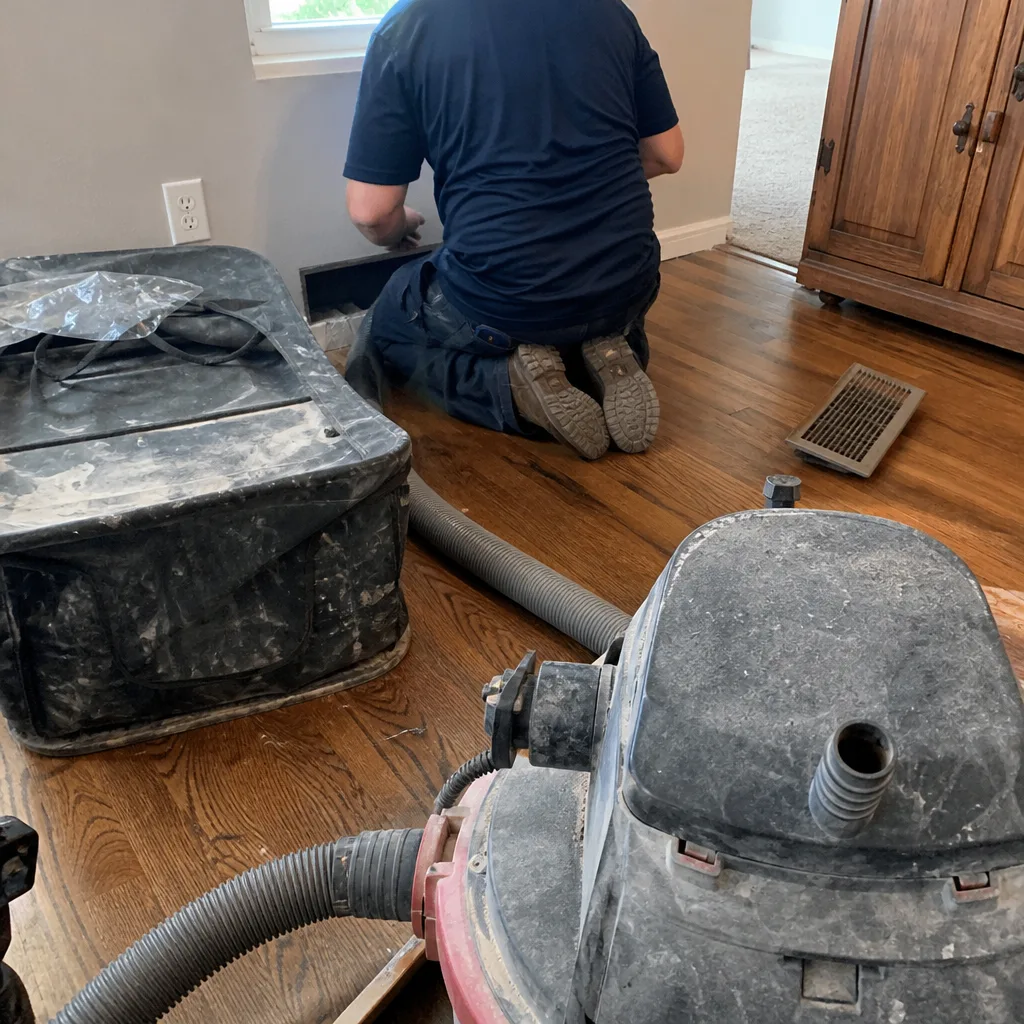 Before
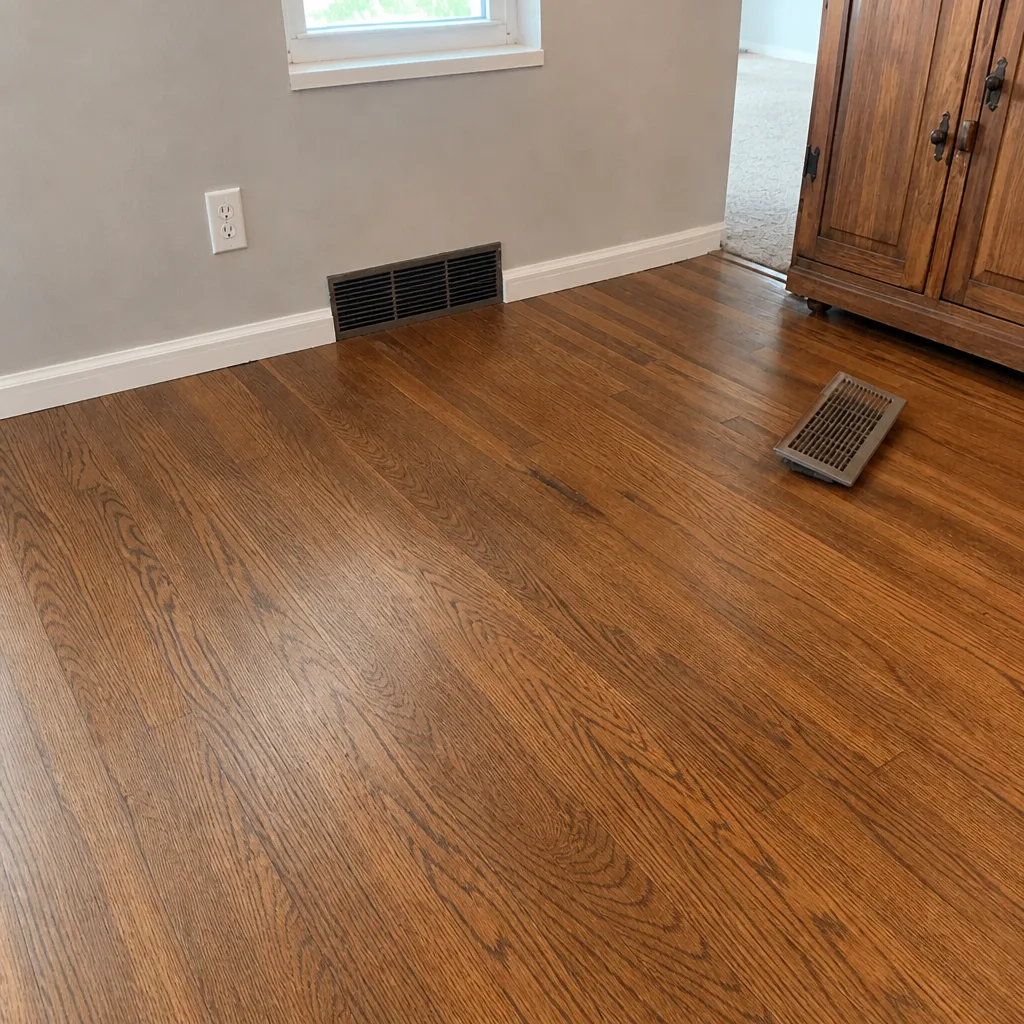 After
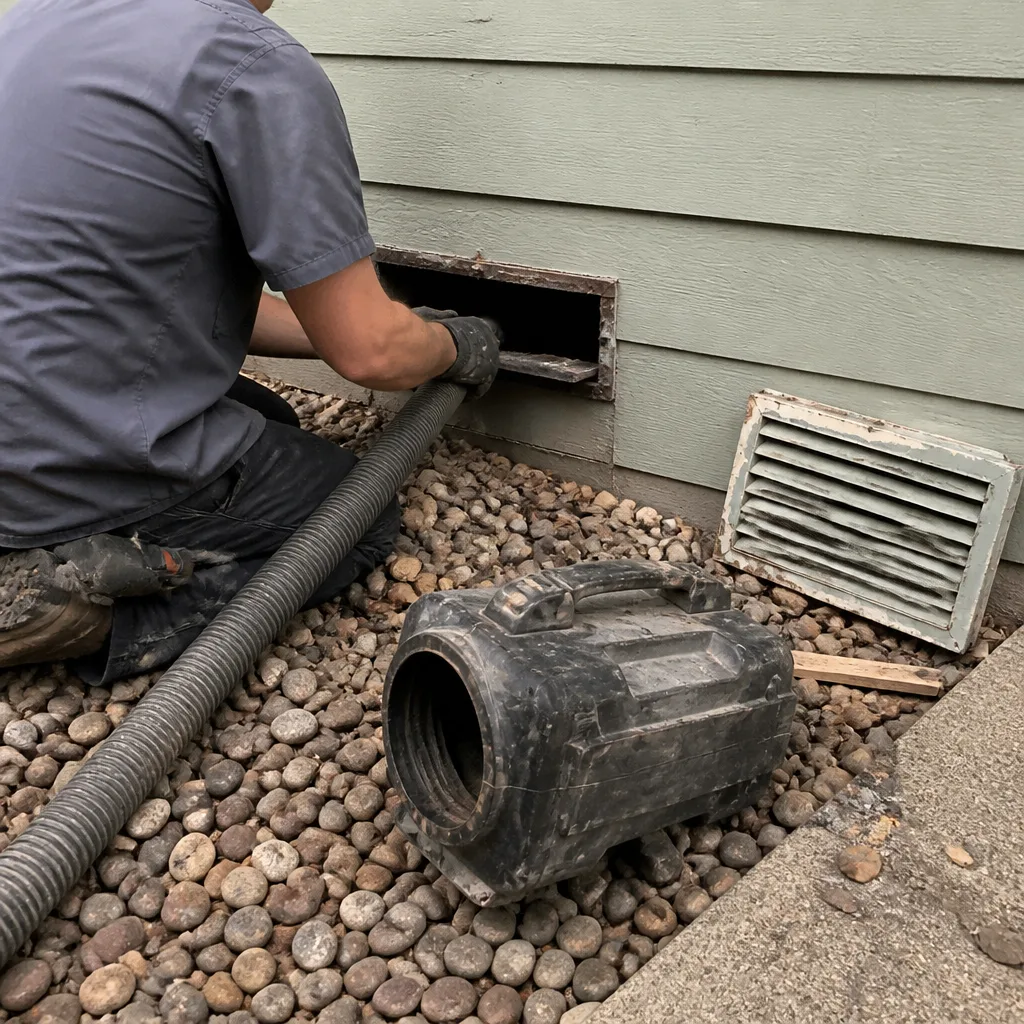 Before
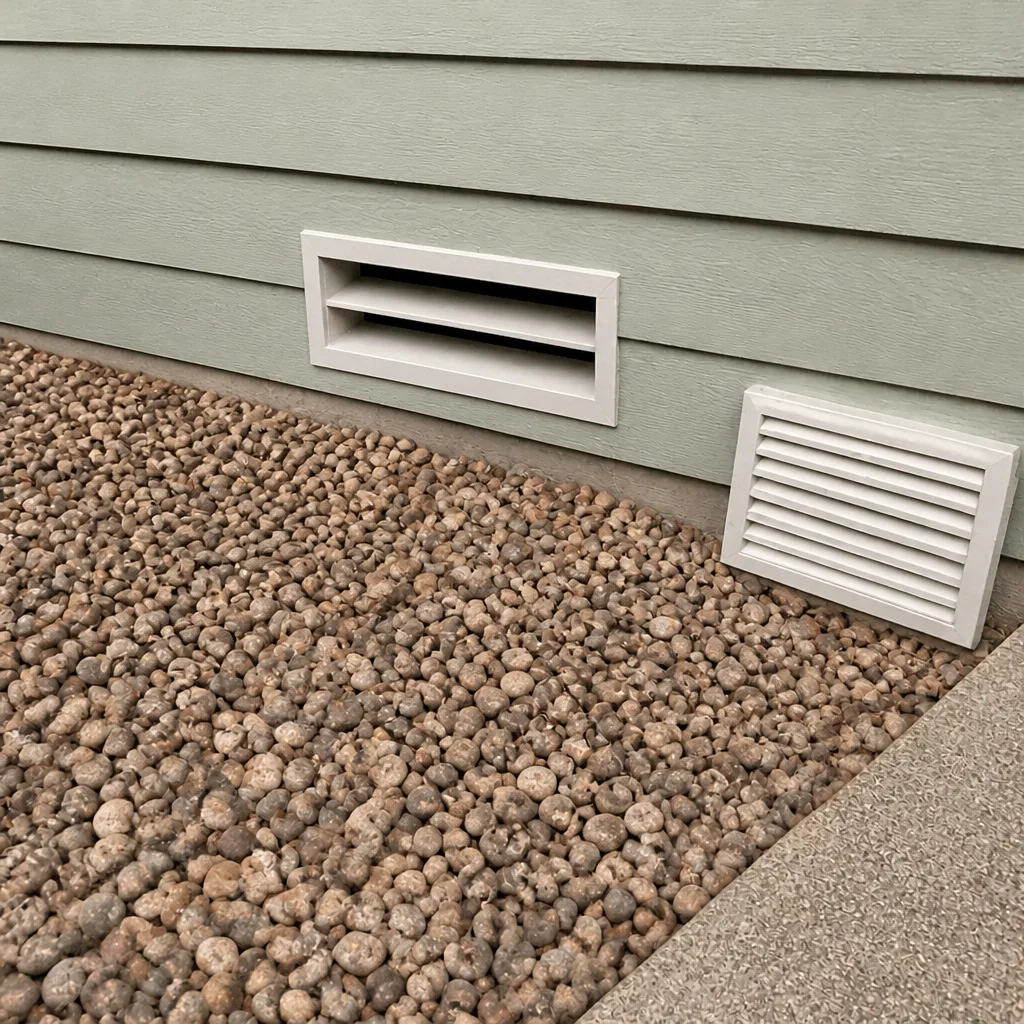 After
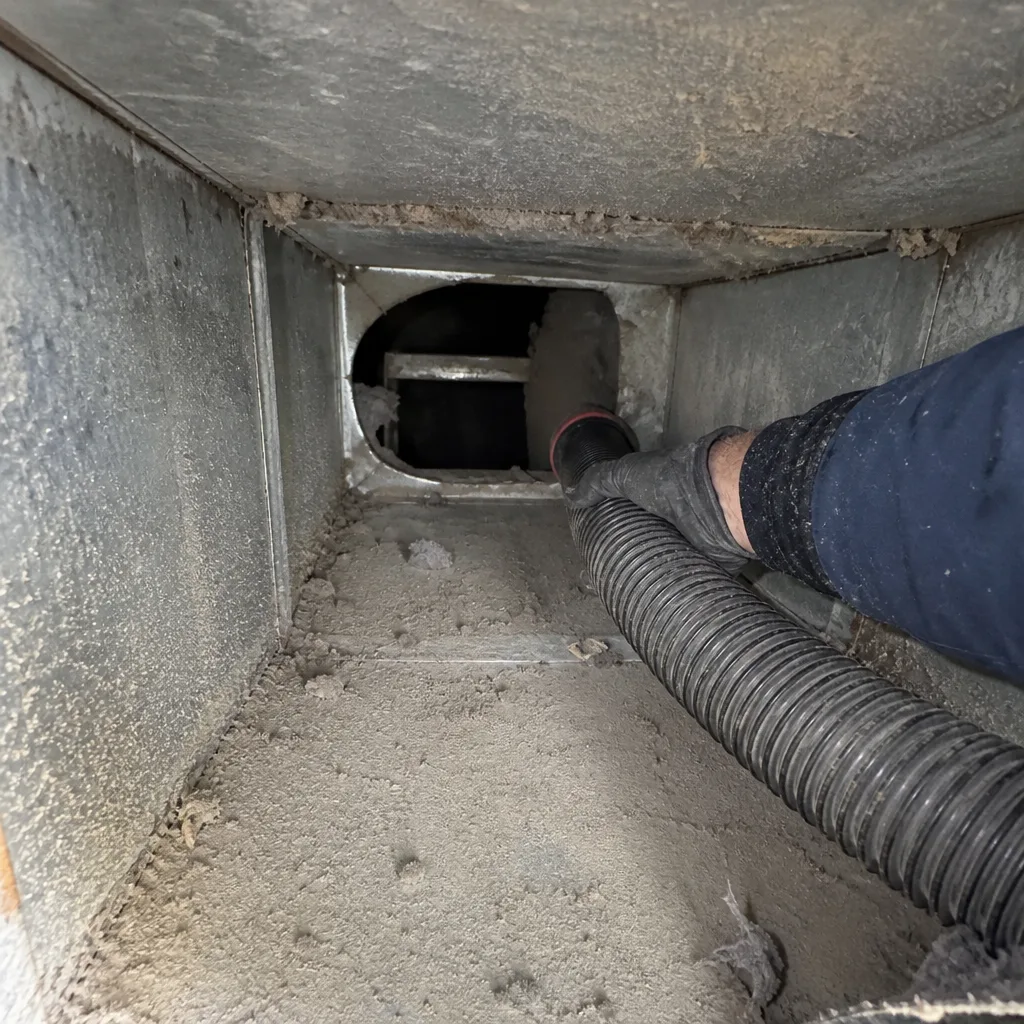 Before
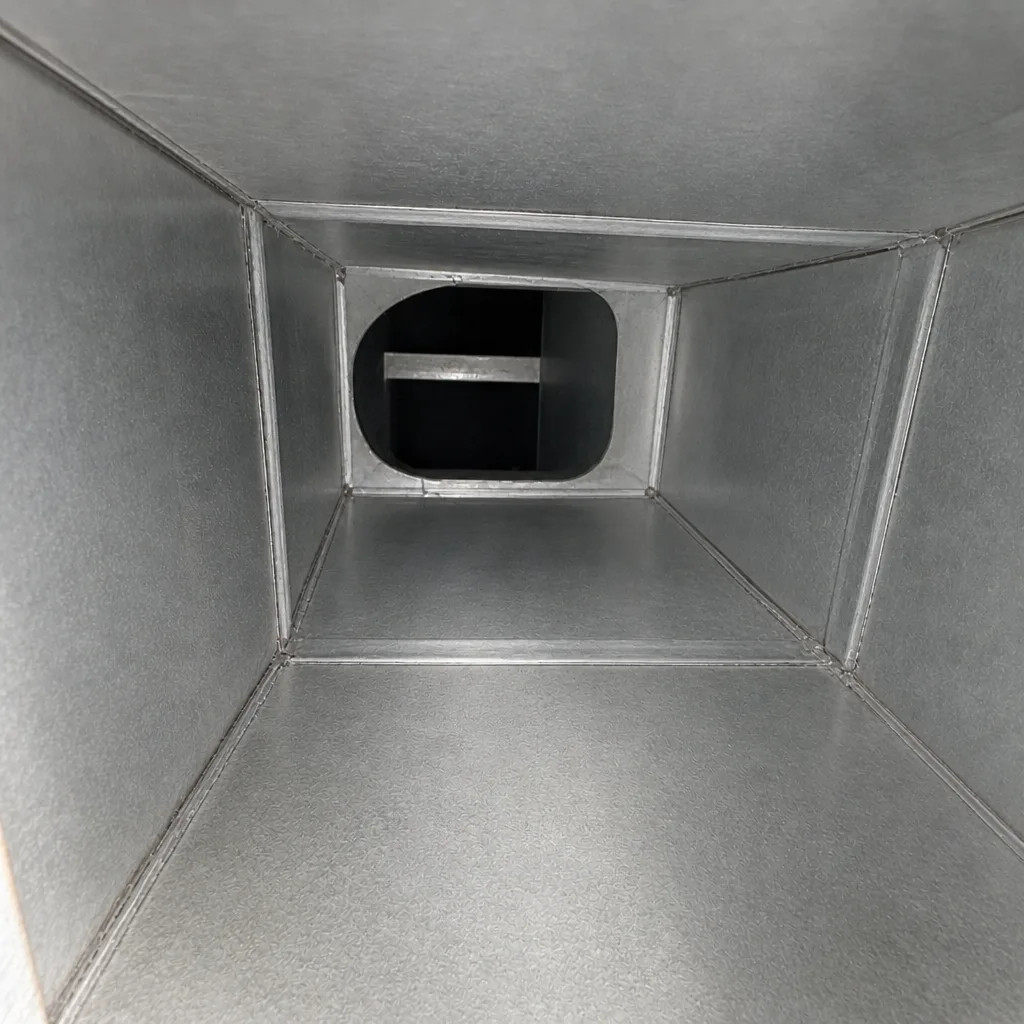 After
When to Call a Professional
Call a professional for duct cleaning when you notice the system is affecting how the house feels. Allergy symptoms that get worse the longer you’re indoors, a musty smell from supply registers when the heat or AC kicks on, rooms that never hold temperature evenly, or a visible dust film on registers soon after you clean them all point inward. Remodel or construction dust, a pest problem in the ductwork, or visible mold growth around a register are also clear calls for a pro. Do not attempt to climb into crawlspaces, dismantle ductwork, or address any suspected mold in the duct system yourself. Cracked or disconnected duct runs and any suspected microbial contamination belong in the hands of someone with the right equipment and the training to handle them safely.
Air Duct Cleaning Southlands offers free estimates in Southlands. Call (855) 624-1395. We answer 24/7. Fast dispatch from 7am to 7pm, Sunday through Friday.
Frequently Asked Questions
You know by asking three questions: what vacuum collection unit and CFM they use, what contact-cleaning tools they run on the duct walls, and whether they follow the NADCA ACR standard with restoration in scope. A qualified contractor answers all three in plain language and writes the equipment and scope into the bid. Anyone who can’t answer those questions is quoting from a script. Call (855) 624-1395 for a free estimate and we’ll walk you through exactly what your system needs.
Air duct cleaning in Southlands is priced per job by written estimate after a system inspection, because scope varies widely by number of runs, condition, and whether sanitizing or repair is included. Any quote without an inspection is a guess. Call (855) 624-1395 for an exact quote based on your system; estimates are free.
Cheap quotes are cheaper because the scope is smaller, not because the contractor is more efficient. A $99 coupon job typically skips register removal, boot cleaning, containment sealing, sanitizing, and photographic documentation, and prices per vent or per square foot so the total can grow on site. Ask what’s in the scope, not what’s on the sticker. Call (855) 624-1395 for an honest whole-system estimate.
You know the work was done by seeing your own ductwork before and after, not a generic job photo. Insist on before-and-after photos of your actual system as part of the deliverable, and walk the trunk line and registers with the technician after the job finishes. Call (855) 624-1395 to schedule and we’ll document your system the same way.
There’s no universal interval, but the practical drivers are visible dust returning to registers soon after cleaning, allergy symptoms indoors, a renovation, a pest problem, or a system that’s never been cleaned since the house was built. In the dry, windy Southlands climate, homes near the open ground east of Denver accumulate dust faster than less exposed sites, so an inspection every few years is a reasonable check-in. Call (855) 624-1395 and we’ll tell you honestly whether a cleaning is due.
Duct cleaning itself generally does not require a permit, but duct repair or sealing that involves modifying the system may, depending on the scope. Most cities require a permit for structural modifications to ductwork, so ask your city’s building department about any repair work your contractor proposes. Cleaning and sanitizing without modification is a maintenance service. Call (855) 624-1395 and we’ll tell you clearly whether your specific job is clean-only or repair work.
The Bottom Line
Hiring an air duct cleaning contractor in Southlands comes down to reading scope rather than reading a price tag. Ask about the vacuum collection unit and CFM, ask about contact-cleaning tools like Rotobrush, ask how registers are sealed during service, and ask what happens if a run is damaged or mold is discovered mid-job. Get a written estimate built from an inspection, compare two or three bids against a scope checklist, and confirm the contract names the equipment, the discovery clause, and the workmanship warranty. Before-and-after photos of your own system should be standard, not a request. Professional-grade equipment, residential pricing, and a full-system scope are what make a cleaning last.
Contact Us for a Free Estimate
If you’re ready to compare a real scope-based estimate against the coupons in your mailbox, call (855) 624-1395. We’ll inspect your system, answer every equipment question in plain language, and put the whole-system scope in writing before any work begins. The written estimate sets the final price, and you’ll see before-and-after photos of your own ducts. We don’t just clean; we seal, sanitize, and restore airflow, so leaks, buildup, and contaminants are addressed in one visit rather than passed to another contractor. Call (855) 624-1395. We answer 24/7. Fast dispatch from 7am to 7pm, Sunday through Friday.
Written by the team at Air Duct Cleaning Southlands.