
Last updated November 25, 2026
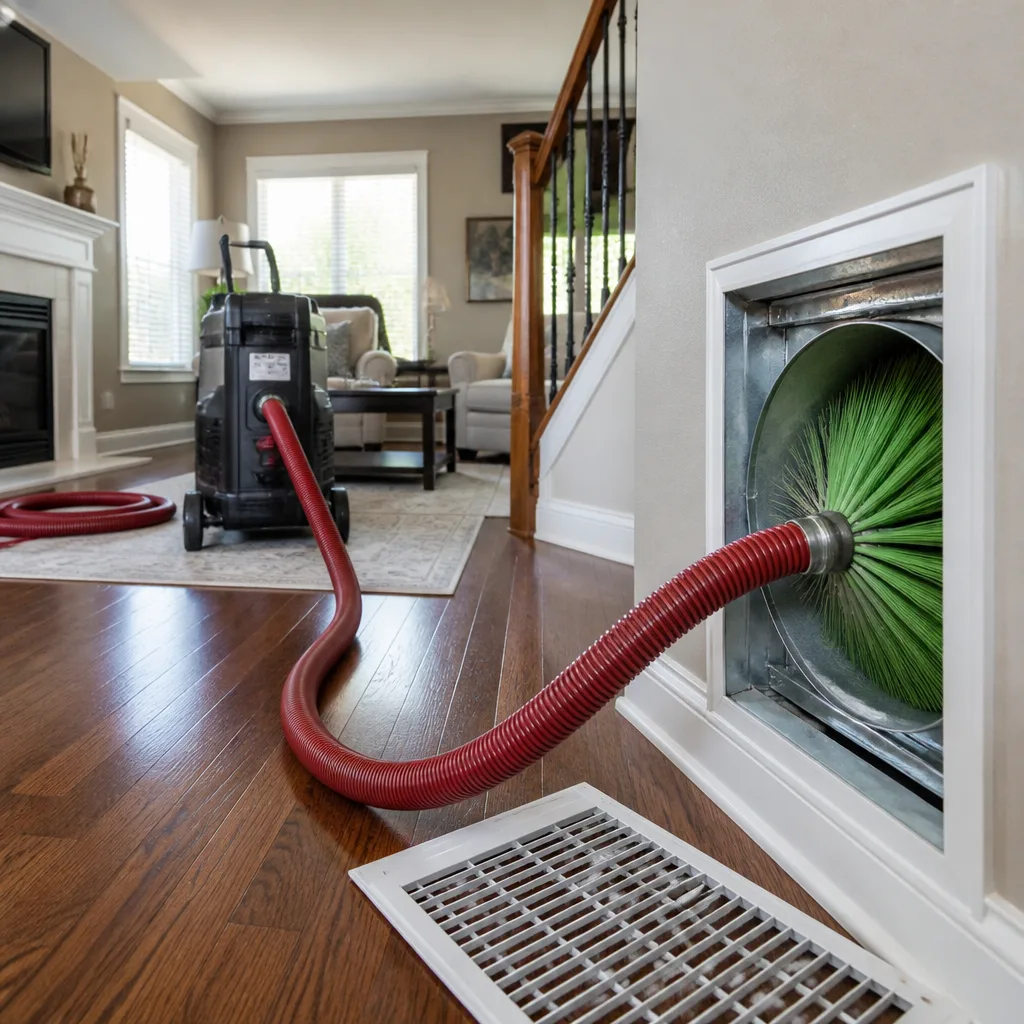 Whole-home duct cleaning
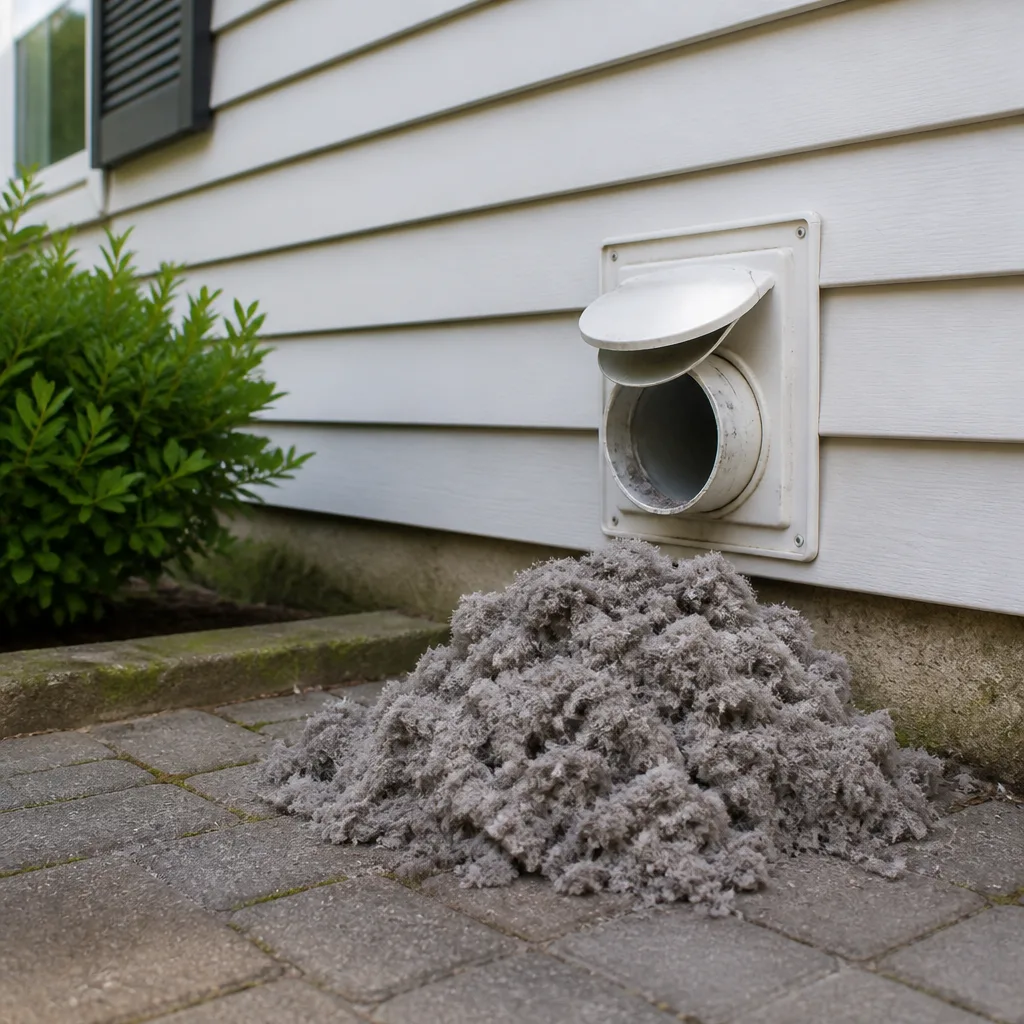 Dryer vent cleaning
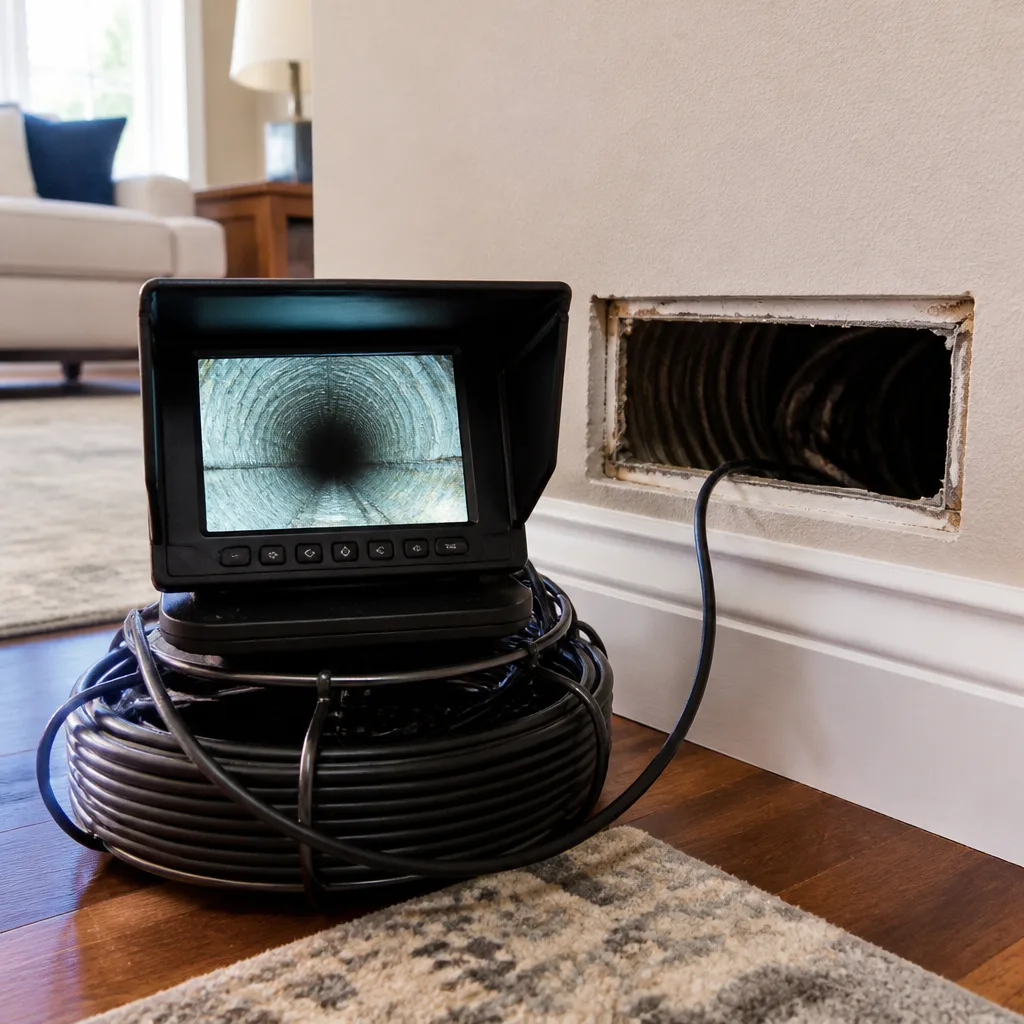 Camera inspection
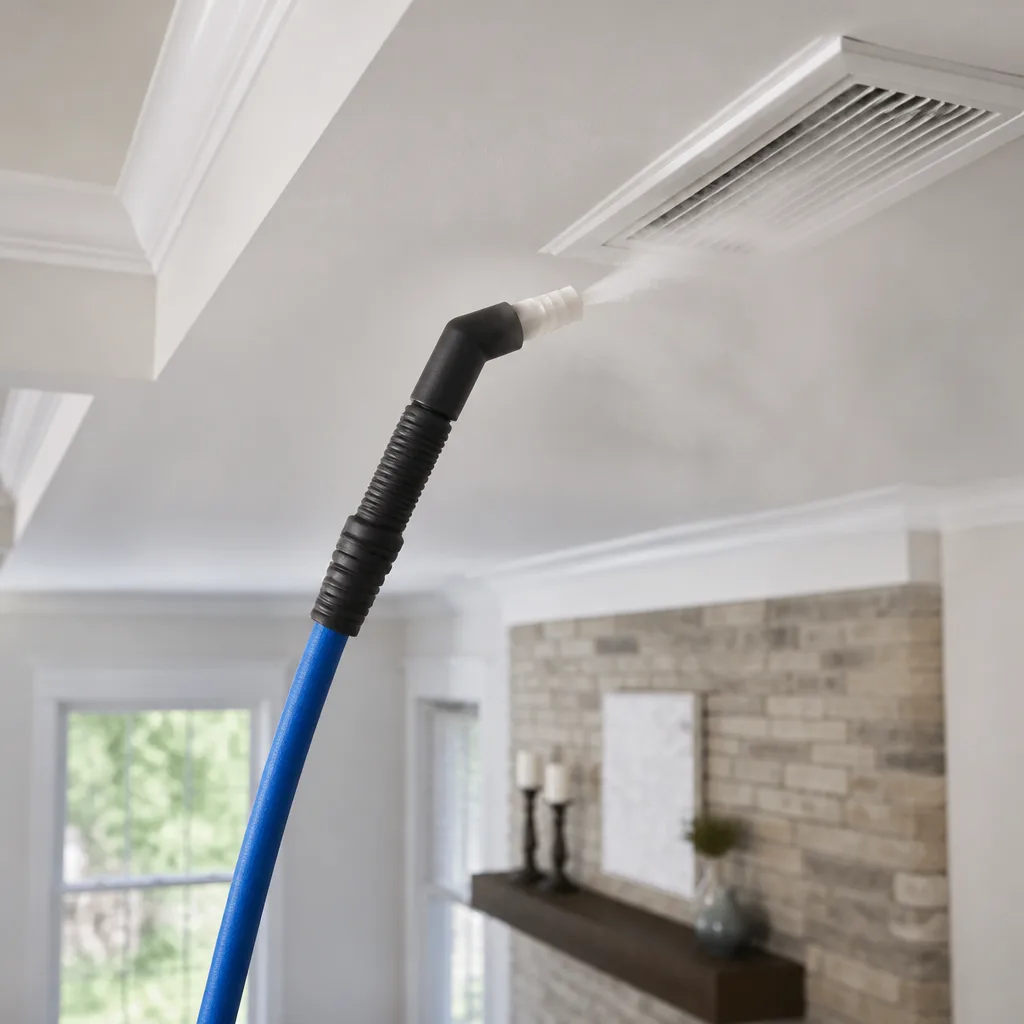 Sanitizing & deodorizing
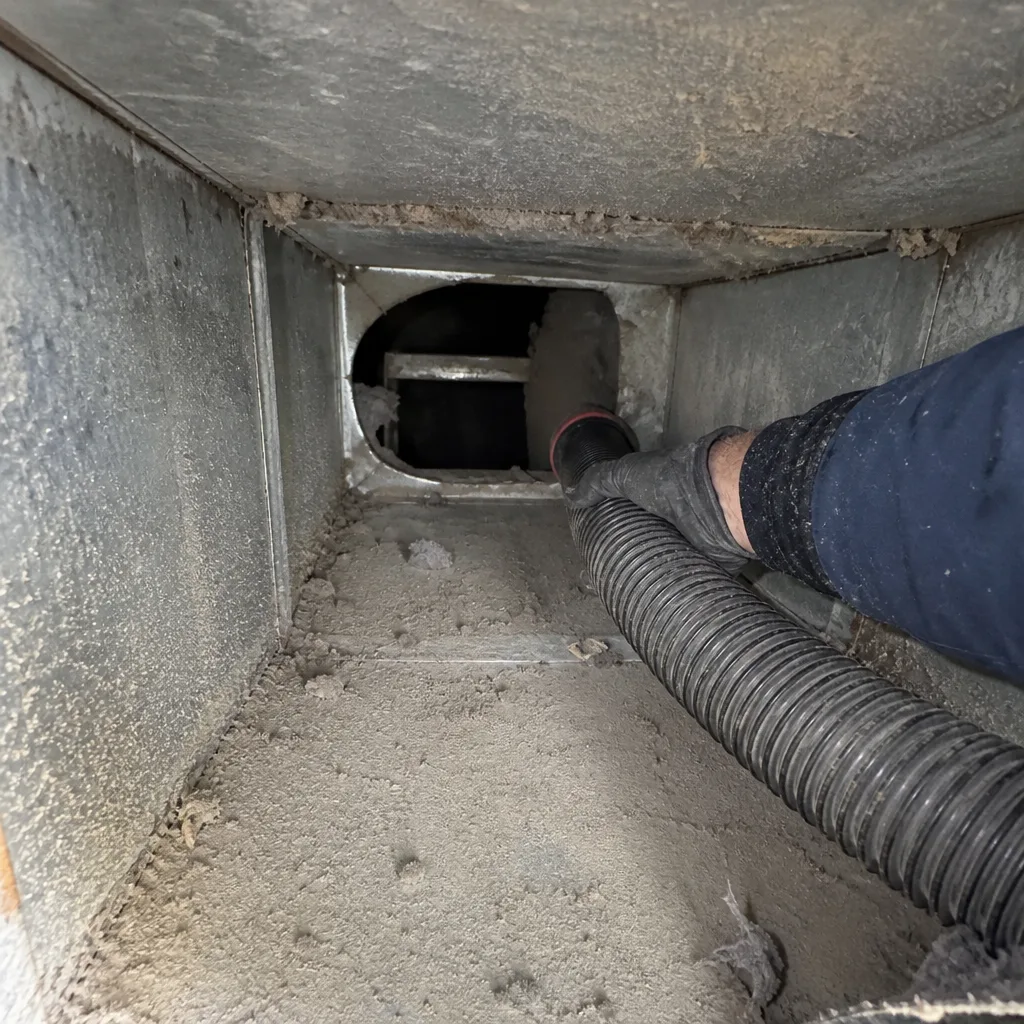
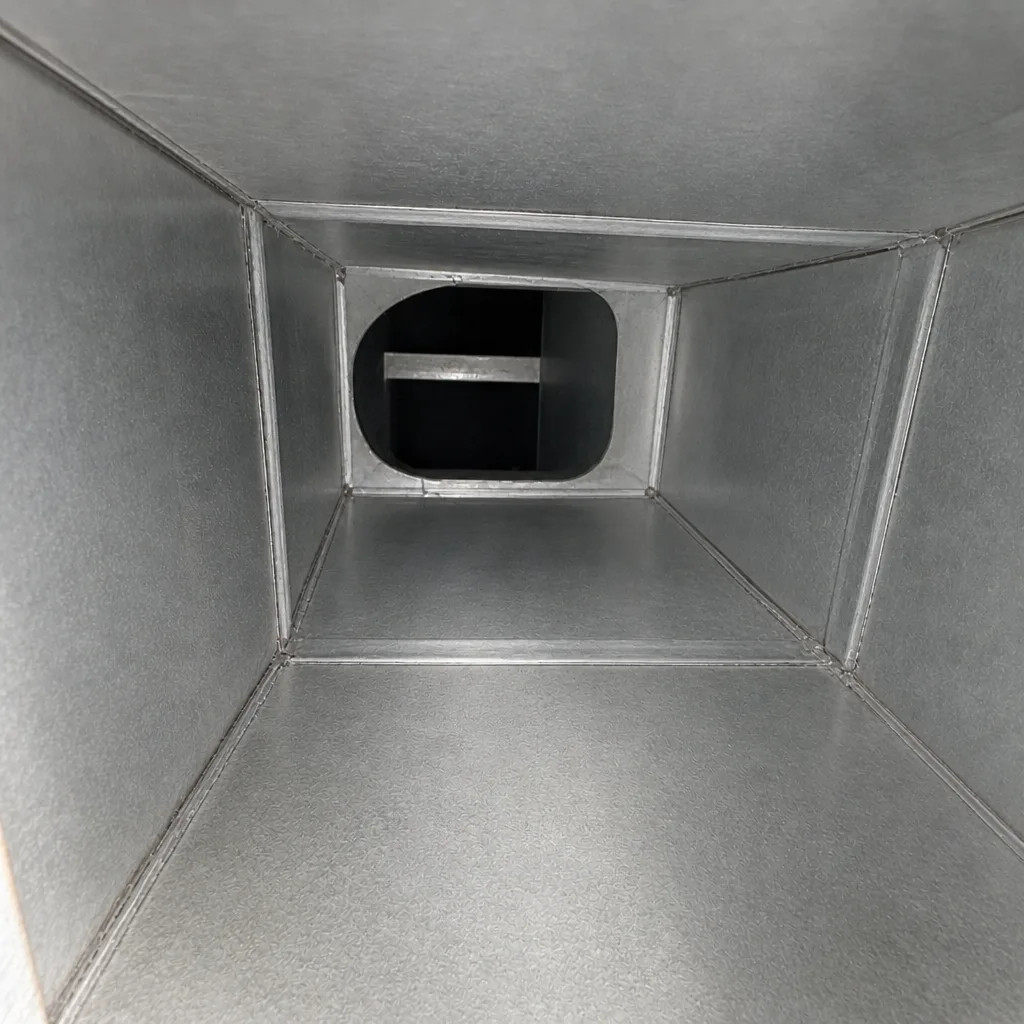
Whole-system duct and dryer vent check with before-and-after photos - you see exactly what came out of your vents
That "$99 whole-house special" is a bait ad - the real number appears once they are in your hallway, or the "clean" is a shop-vac at the register. We photograph the inside of your ducts before and after instead.
Seasonal Air Duct Cleaning Care for Southlands: Year-Round Homeowner’s Guide
Most homeowners treat duct cleaning as a once-a-year checkbox, then wonder why the same dust settles back within months. The reason isn’t the cleaning itself. It’s that your duct system handles four very different jobs across a Southlands year, and each season loads it with a different kind of debris. The same ductwork that recirculates February’s closed-house air is later asked to filter wildfire smoke particulates far finer than household dust. A single generic schedule doesn’t address both threats. This guide breaks the year into four seasonal phases, explains what each season stresses, and shows you how to decide when a cleaning is genuinely overdue rather than following advice written for a climate that isn’t yours.
Quick Answer
In Southlands, air duct care works best on a seasonal calendar rather than a fixed annual one: a pre-summer inspection focused on coil cleanliness, a smoke-response protocol for wildfire season, a fall transition check before heating starts, and a winter humidity-and-contaminant review. Most homes benefit from a full cleaning roughly once a year, but mid-year cleanings are warranted after a heavy smoke event, a renovation, or visible contamination. The right trigger is conditions, not the calendar on the wall.
Styles & brands we work with
- Whole-home duct cleaning
- Dryer vent cleaning
- Camera inspection
- Sanitizing & deodorizing
Table of Contents
- Why Southlands Needs Four Seasonal Duct Checkpoints
- The Pre-Summer Inspection: Coils, Condensation, and Cooling Readiness
- Wildfire Smoke Season: A Duct Response Protocol
- The Fall Transition: Heating Mode and What It Does to Ducts
- Winter: Closed-House Air, Humidity, and Mold Risk
- How to Decide Whether a Mid-Year Cleaning Is Warranted
- What a Quality Seasonal Inspection Should Confirm
- Common Mistakes to Avoid
Why Southlands Needs Four Seasonal Duct Checkpoints
Duct contamination isn’t a steady accumulation. It spikes with specific events: a windy construction season, a smoke-heavy summer, a pollen peak in early fall, a winter spent with windows sealed. Each of those loads the system differently, and the buildup from one season behaves nothing like the buildup from another. Fine smoke particulate behaves differently from lint, which behaves differently from the coarse construction dust that blows through late spring.
Generic national advice assumes a mild, uniform year. Southlands doesn’t have one. The seasonal swings here create four distinct air quality pressures that stack on top of each other. If you cleaned only in early spring, you’d miss the summer smoke load. Clean only in fall, and you’d carry a wet, cooled system’s condensation issues straight into heating season. The care calendar has to be built around what the local climate actually does to a duct system.
The four seasonal pressures at a glance
- Late spring: coarse construction and landscaping dust, the easiest to see and the easiest to sample.
- Summer: fine wildfire smoke particulate that bypasses basic filters and coats interior surfaces.
- Fall: allergen peaks from outdoor decay plus the first heating cycles, which re-loft settled debris.
- Winter: closed-house recirculation that concentrates whatever remains, with humidity as the deciding factor for mold risk.
Treat each of these as a checkpoint, not a cleaning job in itself. Some checkpoints reveal the system is fine and you wait. Others reveal the trigger conditions covered later in this guide. The point is to have a rhythm that matches Southlands instead of importing a schedule from somewhere flatter and damper. Our technicians have up to 14 years of experience reading exactly these seasonal patterns, and the difference between a home that schedules by condition and one that doesn’t shows up in the air fast.
The Pre-Summer Inspection: Coils, Condensation, and Cooling Readiness
Before cooling season starts is the one window where you can catch problems while they’re still cheap to fix. The focus here isn’t the ducts themselves so much as what the ducts connect to. A system that ran all winter has collected fine dust on the cooling coil, and that coil is about to get wet. Wet dust is the beginning of a biological problem.
Cooling coils do two things. They cool the air, and they condense moisture out of it. That condensation is normal and drains away when everything works. But a coil fouled with winter dust can’t drain cleanly. The moisture sits, collects dust and organic debris, and becomes a surface where mold and bacteria establish. By the time you smell it, the season is already underway.
What the pre-summer visit should cover
- Inspect the cooling coil for dust loading and confirm the condensate drain path flows freely.
- Check refrigerant-side condensation risk at the coil and cabinet, particularly where panels meet insulation.
- Look at the duct interiors feeding and returning from the coil for signs of damp dust or microbial growth.
- Confirm the filter is the right type and seated properly, then replace it if it’s loaded.
- Assess duct integrity at joints and connections, since a leak here pulls humid air in exactly where you don’t want it.
Duct Repair & Sealing belongs in this inspection, not as a separate appointment later. A disconnected or cracked return behind the coil lets unfiltered air bypass the filter entirely, which is why some homes look clean after a cleaning and then go dirty again within a season. Sealing is part of a proper assessment because the system is only as clean as its weakest joint. This is exactly the work our Air Duct Cleaning Southlands team builds the pre-summer visit around.
Wildfire Smoke Season: A Duct Response Protocol
Smoke season forces a decision that most homeowners get backwards. The instinct is to keep the system running so the filter catches the smoke. That works sometimes and backfires other times. The right call depends on how the system is set up and how bad the air is, and it’s worth knowing the difference before the sky turns orange.
Fine smoke particulate is dramatically smaller than household dust. A basic furnace filter catches some of it and lets the rest ride straight into the ducts and living space. Running a system with a loaded filter during a smoke event just recirculates the finest particles. Running a system with a fresh, higher-rated filter is a different story. The filter is the deciding variable, not the system itself.
When to run and when to shut down
- Run the system with a fresh, properly rated filter when you’re trying to control indoor air and keep windows closed. Circulation through a good filter helps.
- Shut the system down if the filter is loaded, if the system has known leaks, or if you can smell smoke indoors with the system running. Running it then pulls smoke past a weak filter and deposits it on every duct surface.
- Seal the air handling area where possible. Duct leaks near the return pull outdoor air in, and during smoke season that outdoor air is the problem.
What a post-smoke inspection should confirm
- That the filter was actually doing its job, or that the system needs a higher rating.
- Whether fine particulate has deposited on duct interior surfaces, which a visual inspection with the right light and camera reveals.
- That intake and return leaks are sealed so future smoke events bypass the system instead of loading it.
- Whether the interior air smells neutral after the system has run through a full cycle.
Fine smoke particulate coats duct walls over time, and a standard vacuum pass may not lift it without agitation. Rotobrush rotary-brush systems were built for this. They agitate embedded debris off the duct wall so Nikro HEPA-filtration equipment can capture it rather than recirculate it during the cleaning itself. And a post-smoke treatment using Guardsman-grade sanitizing addresses surface contamination that smoke leaves behind. That combination is what our air duct cleaning visit is built to handle in Southlands.
The Fall Transition: Heating Mode and What It Does to Ducts
The first cold snap changes everything in the duct system, and most homeowners never think about it. The system switches from cooling to heating, and that switch does two things at once: it re-lofts settled summer dust and smoke debris, and it introduces the heat exchanger as a new source of risk. Fall is the checkpoint that catches both.
Heating mode pulls previously settled particulate off the interior walls and pushes it into the living space. If the system sat through summer with smoke residue, that first heating cycle in Southlands is often when the smell and the visible dust arrive. A fall transition cleaning or inspection catches it before the first cold week makes it obvious.
The heating-mode consideration
A furnace heat exchanger sits in close proximity to the duct interior, and combustion byproducts can migrate into the airstream if the exchanger develops a crack or the system is compromised. That’s not a duct-cleaning problem alone, but it’s why a fall inspection has to look at the air handler, not just the ducts. If you ever smell combustion odors or see soot-colored deposits near the heat exchanger, stop and have the unit checked by a qualified HVAC technician. Never run a heating system that might be leaking combustion byproducts, and never attempt to inspect a heat exchanger yourself. It’s an expert job.
The fall task list
- Clean or replace the filter before the first heating cycle, not after.
- Inspect duct interiors for settled summer particulate that heating will re-loft.
- Have the heat exchanger and air handler checked by a qualified professional before season start.
- Seal or repair any joints opened over the cooling season, since a warm house with leaks pulls dust from unconditioned spaces.
- Confirm the system’s airflow is balanced so the heating season runs evenly rather than straining one zone.
This is where HVAC cleaning earns its place in the seasonal calendar rather than as an optional add-on. A heating system that starts the season clean runs more evenly, and it doesn’t put last summer’s smoke back into the rooms where you sleep.
Winter: Closed-House Air, Humidity, and Mold Risk
Winter is the season that quietly concentrates everything. Windows close, the house goes into a closed loop, and whatever is in the ducts gets recirculated through every room dozens of times a day. Biological contamination that was a minor nuisance in summer becomes the dominant air quality issue when the house stops exchanging air with the outside.
Humidity is the deciding variable. Duct interiors that stayed dry in summer can develop condensation issues when a home is sealed tight and indoor moisture from cooking, showers, and laundry has nowhere to go. Moisture against a dust-loaded duct surface is where mold establishes. It doesn’t take a flood. A season of elevated indoor humidity on a dirty duct is enough.
What winter demands from a duct system
- Contaminant control: a system with residual organic debris recirculates it into the air you breathe every hour.
- Humidity management: keeping indoor humidity in a reasonable range reduces the surface moisture that mold needs. A whole-house humidity solution such as an Aprilaire or Honeywell product can hold that range through the winter rather than letting it swing.
- Filtration consistency: a filter that was fine in summer may be undersized for a sealed house running continuously.
The winter review
- Sample the air inside a closed house after the system has run through a full cycle to check for musty smells.
- Inspect duct interiors for signs of moisture or microbial growth, especially near the air handler and any duct that runs through an unconditioned space.
- Check the indoor humidity level and address it if it’s running high through the heating season.
- Confirm the filter and any air quality equipment are matched to a fully sealed house.
When contamination is present, sanitizing after cleaning is what addresses the surface itself rather than just removing loose debris. We use Abatement Technologies air-scrubbing equipment during sanitizing treatments in Southlands, the same class of tools used in remediation work, because a closed winter house is not the season to leave biological contaminants half-addressed.
How to Decide Whether a Mid-Year Cleaning Is Warranted
The single annual cleaning is a baseline, not a rule. Some Southlands homes need a mid-year visit, and some can wait a full year with no problem. The way to tell isn’t a schedule on the calendar. It’s a set of specific trigger conditions that indicate the system has crossed from “normal accumulation” to “needs attention now.”
Trigger conditions that justify a mid-year cleaning
- You’ve had a significant smoke event. A heavy wildfire smoke period with the system running is a genuine trigger for a post-smoke inspection and cleaning if the interior surfaces show deposits.
- You’ve renovated. Drywall dust, sawdust, and construction debris load the ducts in a way that ordinary use doesn’t.
- You see visible dust at the vents or smell a musty odor when the system runs. That’s a system that has already accumulated more than a filter can handle.
- Your allergy symptoms have worsened indoors. If the house triggers symptoms and the outdoors doesn’t, the ducts are a reasonable suspect.
- Heating or cooling is uneven or the energy bills have climbed. A restriction or leak in the ducts changes system performance before it changes the air visibly.
- A previous cleaning left visible residue. That’s a sign the system needs agitation that a standard vacuum doesn’t provide.
When to wait for the annual service
If none of those triggers have occurred, and the filter is being maintained, and the air smells neutral, waiting for the annual visit is the sensible call. Cleaning a system that isn’t dirty doesn’t improve it, and a good provider will tell you so. The condition-based approach is the one worth following in Southlands, because it matches what the actual duct system is doing rather than a schedule invented for a different climate.
What a Quality Seasonal Inspection Should Confirm
A seasonal inspection is not a look at the vents. It’s an assessment of the whole system and its integrity. Knowing what a proper inspection should confirm will help you judge whether you’re getting one, and it gives you a way to ask good questions when you call.
What to expect during a real inspection
- A visual check of the duct interiors using a camera, with before-and-after documentation of what’s found.
- An integrity check of joints, connections, and returns, since leaks bypass filters and undo a cleaning.
- An assessment of the air handler and coil, and whether either shows signs of fouling or moisture.
- A check of the filter’s condition, rating, and suitability for the season and the house.
- A look at any dryer vent as well, since it’s part of the same household air and exhaust picture and contributes to indoor air quality and fire risk.
Duct Repair & Sealing should be part of every assessment, not a separate quote afterward. A team that cleans and then discovers the ducts leak is telling you the cleaning can’t hold without a seal. Beyond cleaning, the equipment used matters: rotary-brush systems for agitation, HEPA-filtration vacuums for capture, and air-scrubbing for sanitizing. Filter and humidity upgrades such as a Honeywell or Aprilaire product belong in the conversation when the inspection shows they’d help. And a separate dryer vent cleaning check is worth asking for at the same visit. Your dryer vent is a fire risk; your duct system is a health risk. Both deserve a look at the same time.
Common Mistakes to Avoid
- Following a generic annual schedule without seasonal checks. A once-a-year cleaning skips the wildfire and fall transition windows that Southlands homes actually face. Build the year around conditions, not a single date.
- Running the system during smoke with a loaded filter. That recycles fine smoke particulate into every duct and room. Check the filter first, and shut the system down if it’s not doing its job.
- Skipping the pre-summer coil check. A wet, dirty coil is where mold starts. Catching it before cooling season keeps it from becoming a summer-long problem.
- Assuming a cleaned duct system stays clean when it leaks. Duct leaks near the return pull unfiltered air in and undo the cleaning within a season. Repair and sealing belong in the same assessment.
- Ignoring winter humidity. A sealed house with elevated moisture on a dirty duct is the setup for mold. Manage the humidity along with the cleaning.
- Trusting a cleaning you can’t see evidence of. A proper inspection documents what was found and what was done, with before-and-after photos. Ask for them.
- Treating a combustion smell as a duct problem. If you smell burning or combustion odors during heating, stop and call a qualified HVAC technician. Never try to inspect a heat exchanger yourself.
See the difference
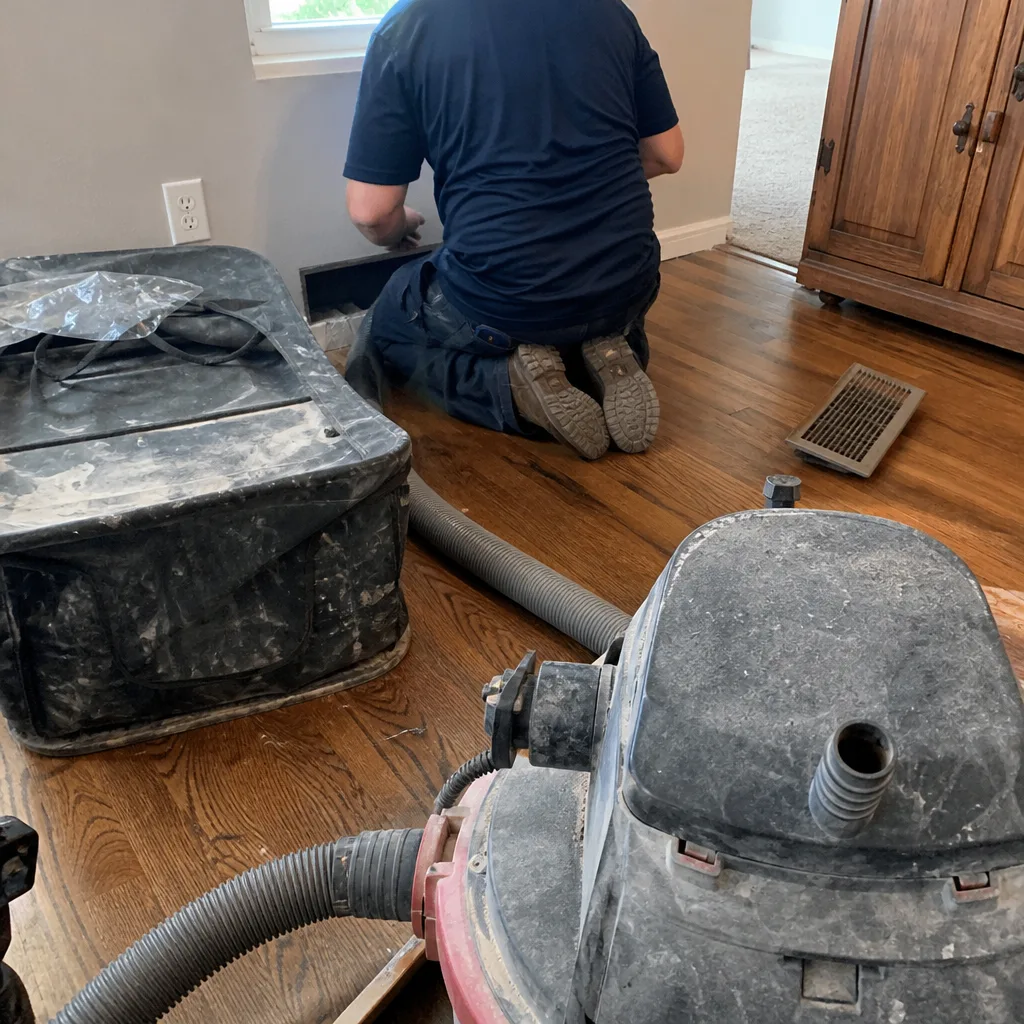 Before
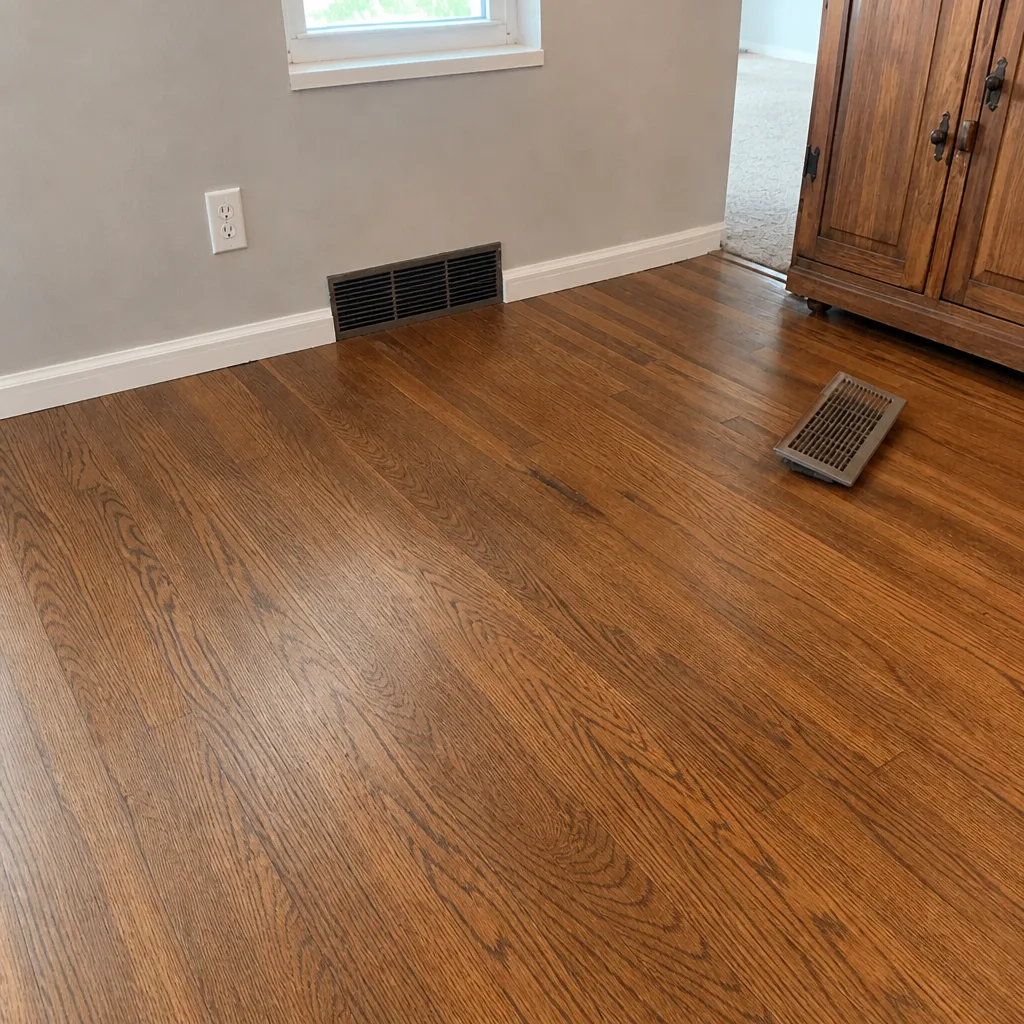 After
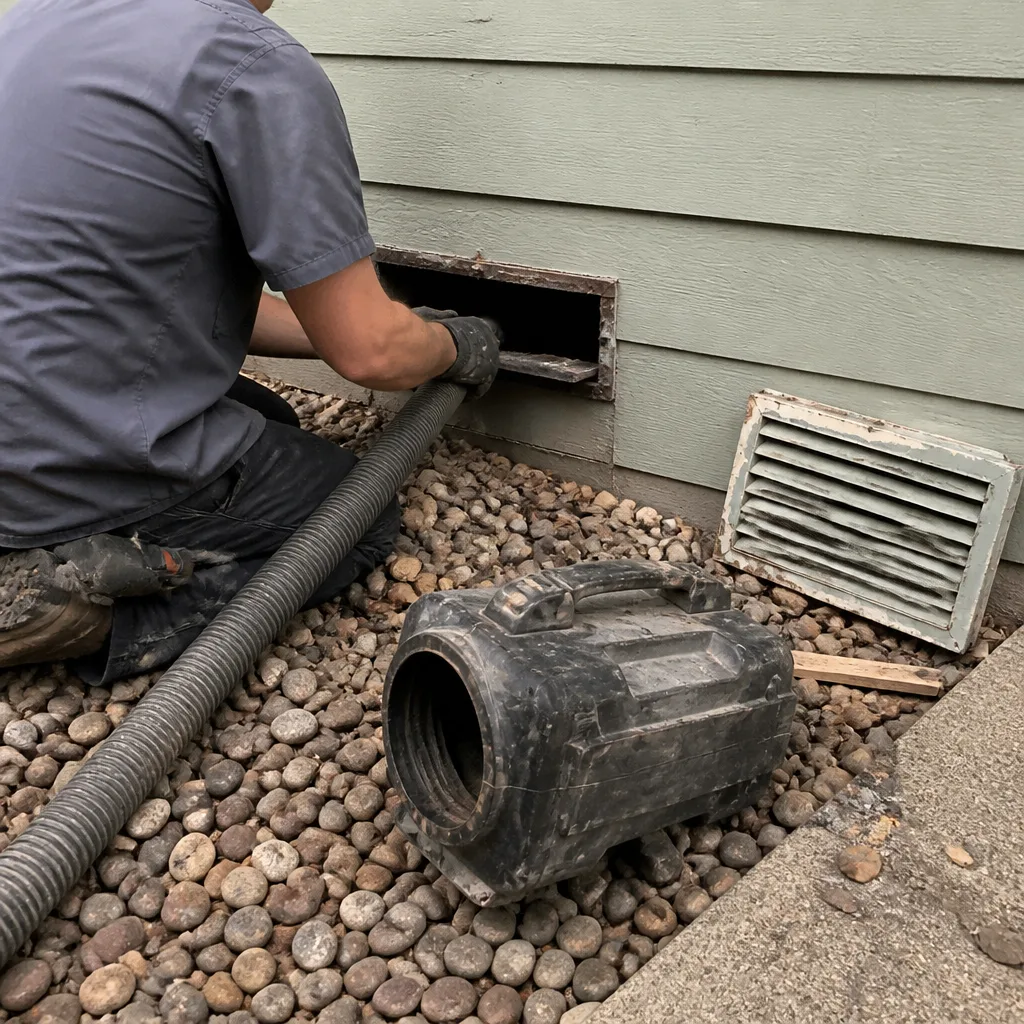 Before
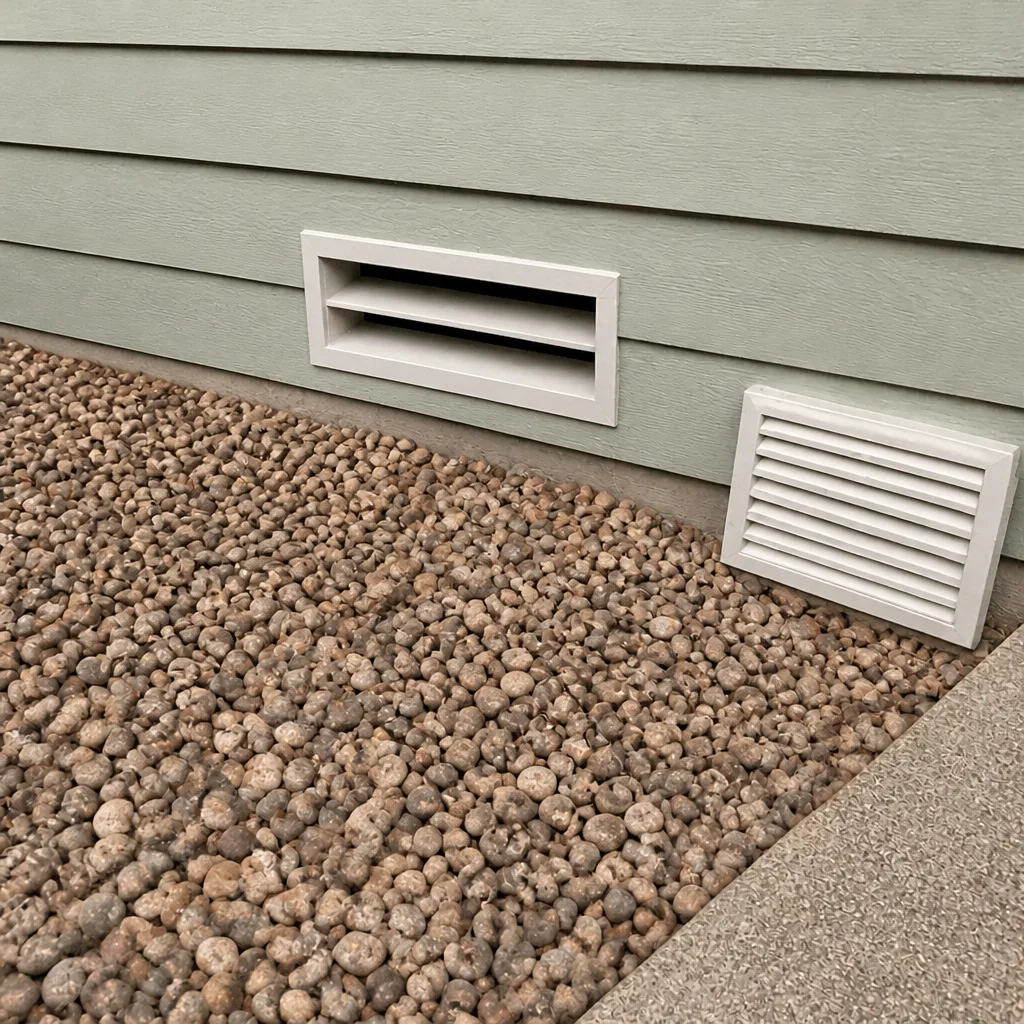 After
 Before
 After
When to Call a Professional
Call when you have a trigger rather than just a calendar date. Worsening indoor allergy symptoms, a musty odor that appears when the system runs, visible dust at the vents, uneven heating or cooling, a recent renovation, a heavy smoke event, or an energy bill that’s climbed without a clear reason are all worth a professional look. So is any smell of combustion during the heating season. If you’ve had a cleaning that didn’t seem to hold, that’s a reason to call as well, since it usually means the system needs sealing, not another cleaning. Air Duct Cleaning Southlands offers free estimates in Southlands. Call (855) 624-1395. We answer 24/7. Fast dispatch from 7am to 7pm, Sunday through Friday.
Frequently Asked Questions
Typically once a year for most homes, but seasonal checks matter more than the annual count in Southlands. The right rhythm is a pre-summer inspection, a smoke-response check when wildfire season hits, a fall transition review before heating starts, and a winter review for humidity and contaminants. Many homes need only the annual cleaning if none of the trigger conditions occur. Homes that renovate, experience a heavy smoke event, or show visible contamination benefit from a mid-year visit.
Wait for the annual visit if your filter has been maintained, the air smells neutral, and none of the trigger conditions apply. Call for a mid-year visit if you’ve had a significant smoke event with the system running, completed a renovation, see visible dust or smell mustiness when the system runs, notice worsening indoor allergies, or your heating and cooling feels uneven. Call (855) 624-1395 for an exact quote. Estimates are free.
Run the system with a fresh, properly rated filter if you’re trying to control indoor air, and shut it down if the filter is loaded, the system has known leaks, or you can smell smoke indoors while it runs. Running with a weak filter pulls smoke past it and deposits fine particulate on every duct surface. After a heavy smoke event, have the interior surfaces inspected. Call (855) 624-1395 for an exact quote. Estimates are free.
Winter concentrates contaminants because a closed house recirculates the same air through the ducts all day. If the ducts were cleaned but a humidity problem remained, or if a leak pulls in unfiltered air, the mustiness returns. Elevated indoor humidity against a dirty duct surface is where mold establishes. A winter review should check both the ducts and the humidity level, and address either one as needed. Call (855) 624-1395 for an exact quote. Estimates are free.
Usually yes. Fine smoke particulate coats duct walls, and a standard vacuum pass often doesn’t lift it without agitation. Rotary-brush systems are built for this, agitating embedded debris off the duct wall so HEPA-filtration equipment can capture it, followed by a sanitizing treatment to address surface contamination. A post-smoke inspection should confirm the interior surfaces are actually clear, not just that the system was run through a vacuum. Call (855) 624-1395 for an exact quote. Estimates are free.
You can handle the filter, keep an eye on humidity, and watch for visible dust and odors, and that’s worth doing through every season. The coil, the heat exchanger, the duct interiors, and any sealing work need a trained professional. Never inspect a heat exchanger or a cooling coil yourself, since a combustion leak or a live system is genuinely dangerous. Call (855) 624-1395 for an exact quote. Estimates are free.
The Bottom Line
Seasonal duct care in Southlands comes down to matching the checkpoints to the actual pressures of the year: a pre-summer inspection for coil and condensation issues, a smoke-response protocol for wildfire season, a fall transition check before heating mode, and a winter review for closed-house humidity and contaminants. Schedule around trigger conditions, not just the annual date. When a cleaning is warranted, have it done with the right equipment and confirm the ducts are sealed afterward, since a cleaned but leaky system won’t stay clean. Our technicians have up to 14 years of experience reading these seasonal patterns, and the guide is built to help you decide what your system actually needs. Ready to schedule a seasonal look? Call (855) 624-1395. We answer 24/7. Fast dispatch from 7am to 7pm, Sunday through Friday. Estimates are free, and the written estimate sets the final price.
Written by the team at Air Duct Cleaning Southlands.