
Last updated November 25, 2026
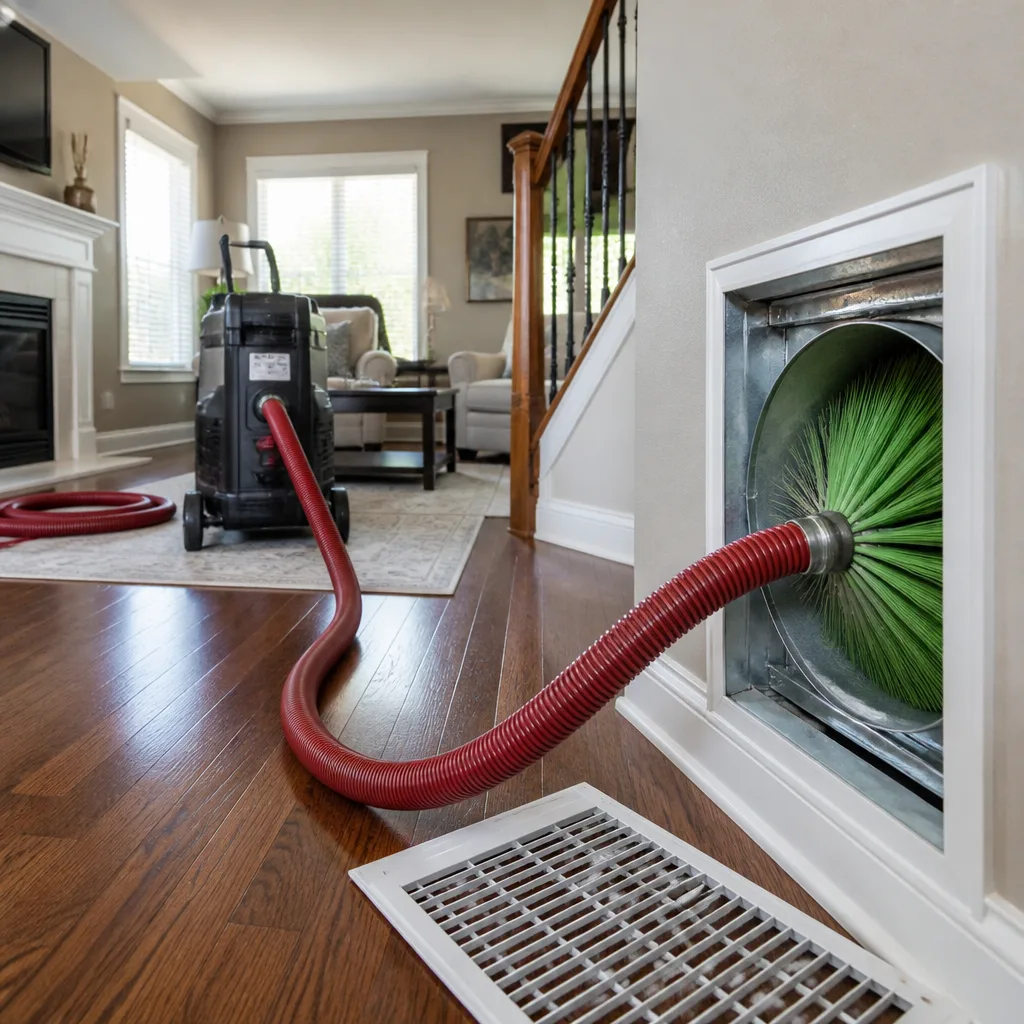 Whole-home duct cleaning
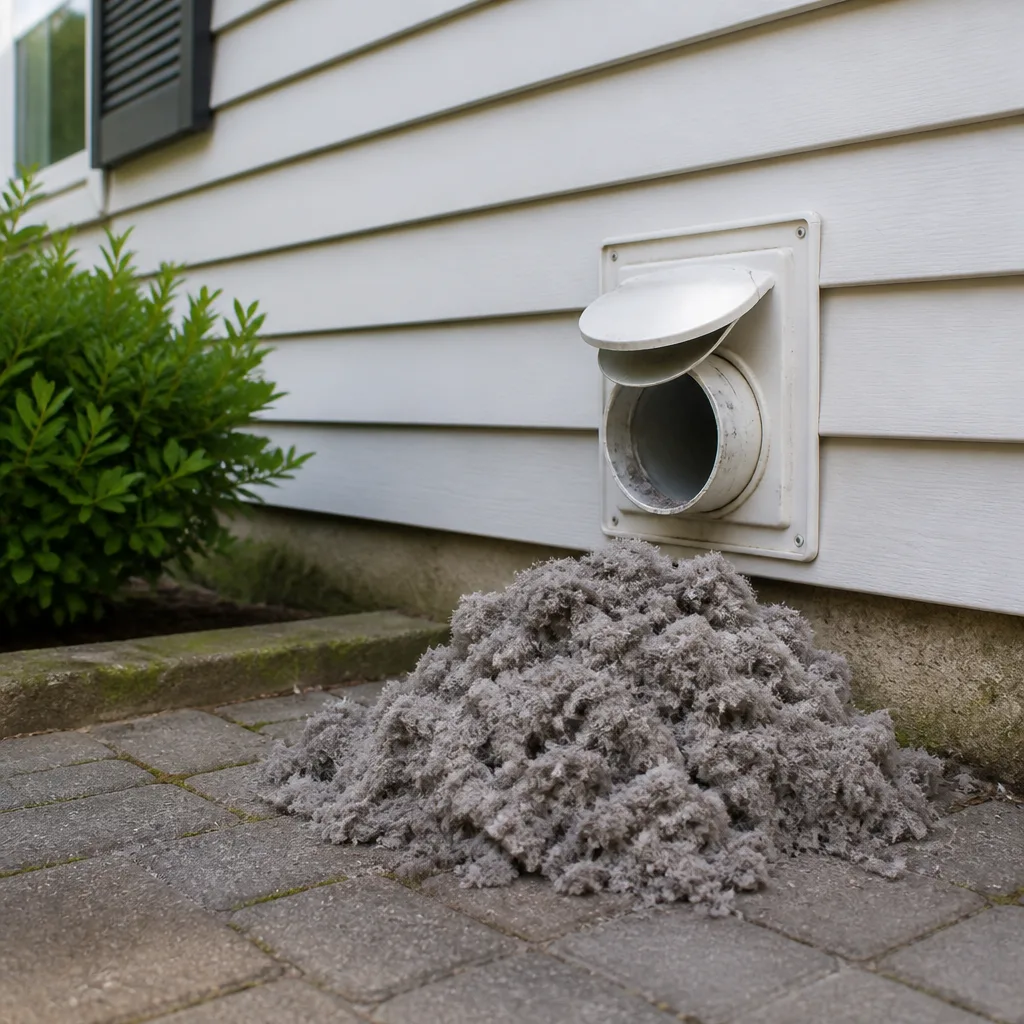 Dryer vent cleaning
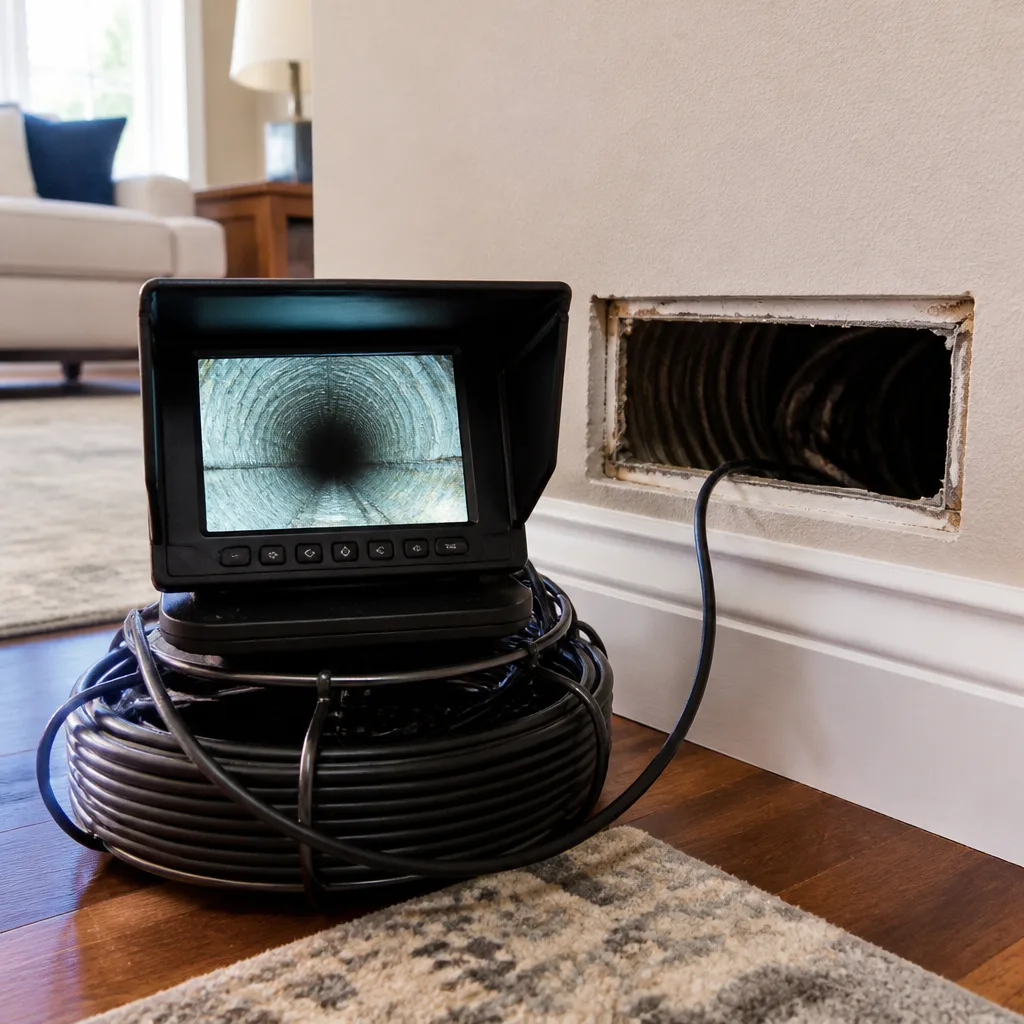 Camera inspection
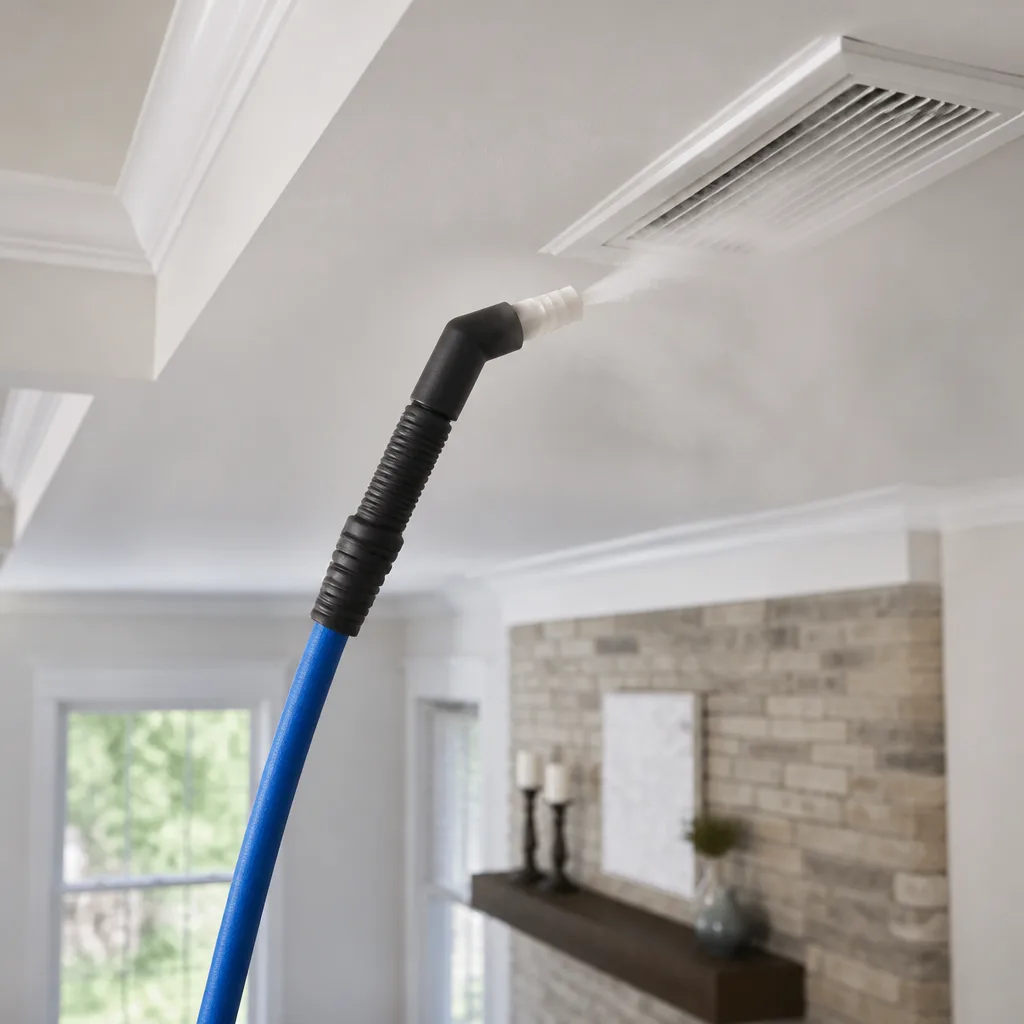 Sanitizing & deodorizing
Whole-system duct and dryer vent check with before-and-after photos - you see exactly what came out of your vents
That "$99 whole-house special" is a bait ad - the real number appears once they are in your hallway, or the "clean" is a shop-vac at the register. We photograph the inside of your ducts before and after instead.
Air Duct Cleaning Permits, Codes & Inspections in Southlands, CO: What You Need to Know
Most Southlands homeowners assume duct work is duct work: a crew comes out, cleans, and leaves. Here’s the part that surprises people. The cleaning itself almost never needs a permit in Colorado. The things that get bundled with it often do. Aerosol duct sealing changes the static pressure inside your system, and in some jurisdictions that change is a mechanical alteration that shows up on a permit application. Coil replacements and duct modifications are the same story. This guide walks through where the line sits, how Arapahoe County and the local authority having jurisdiction tend to read the code, and how to protect yourself before and after the work. We’ll also cover what a scope-of-work letter should say and why a home sale can surface an unclosed permit.
Quick Answer
Air duct cleaning by itself is not a permitted activity in Colorado, so a standard clean-and-vacuum visit won’t trigger an inspection. But sealing with aerosol products, lining ducts, replacing coils, or rerouting duct runs often counts as a mechanical alteration and can require a permit from the local authority having jurisdiction. Ask your contractor which tasks in your scope are exempt and which are permitted, and get that in writing before anyone starts.
Styles & brands we work with
- Whole-home duct cleaning
- Dryer vent cleaning
- Camera inspection
- Sanitizing & deodorizing
Table of Contents
- What does Colorado’s mechanical code actually say about duct work?
- Where’s the line between cleaning and work that needs a permit?
- Aerosol duct sealing: static pressure, warranties, and permits
- What a Certificate of Occupancy tells you about past duct work
- How to request a scope-of-work letter
- Selling your Southlands home? Close out your permits
- What actually happens during a duct-related inspection
- Why Southlands’ dry, windy climate makes duct integrity matter
What does Colorado’s mechanical code actually say about duct work?
Colorado doesn’t run one statewide mechanical code with uniform enforcement. Most cities and counties adopt a version of the International Residential Code or the International Mechanical Code, then interpret and amend it locally. That means the rules that govern your ducts in Southlands come from the authority having jurisdiction that covers your address, not from a single statewide document.
Broadly, the codes treat duct systems as part of the mechanical system. That’s the important framing. A duct system isn’t a passive tube; it’s equipment that distributes conditioned air, and the code cares about the things that affect its performance and safety:
- Sealing at joints and connections. Supply and return ducts are supposed to be sealed to a defined standard. Leaky ductwork lets conditioned air escape into wall cavities and attics, and it can pull pollutants into the airstream.
- Support and clearances. Ducts need proper support and correct clearances from combustibles, especially near the furnace and water heater.
- Return air pathways. Return ducts can’t draw air from garages, mechanical rooms, or other spaces the code considers unsuitable.
- Material standards. Duct board, flex duct, and sheet metal all have defined applications; substituting one for another without review is where inspections fail.
For a Southlands homeowner, the practical upshot is simple. Routine maintenance doesn’t touch a code question. Anything that changes the physical system does.
Where’s the line between cleaning and work that needs a permit?
Cleaning removes material that’s already inside the system. It doesn’t change how the system is built. That’s why cleaning sits outside the permit process. Sealing, lining, replacing, or rerouting changes the system itself, and that’s where the authority having jurisdiction starts to care.
Here’s the split we walk homeowners through before work begins:
- Typically permit-exempt: source removal of dust and debris using rotary-brush equipment, HEPA vacuum extraction, sanitizing treatments applied to interior surfaces, dryer vent cleaning, and filter changes.
- Often permitted: aerosol sealing of the duct system, installation of duct lining, replacement of duct runs, connection of new ductwork to the air handler, and coil or plenum modifications.
- Depends on scope: repair of disconnected flex duct, re-insulation of ducts in unconditioned space, and addition of a return register. Some jurisdictions treat these as maintenance; others see them as alterations.
The word “depends” matters here, and any contractor who tells you otherwise is oversimplifying. In the Southlands area, we’ve seen the same basic task classified differently depending on how the scope is described on the application. That’s why the paperwork matters as much as the work. Our Air Duct Cleaning Southlands team always flags which services on a given job fall on each side of the line, but the final call belongs to the local building department, not to us.
Aerosol duct sealing: static pressure, warranties, and permits
Aerosol sealing works by fogging a fine sealant through the duct system, where it settles into the cracks and pinholes that leak air. It’s effective, and on the right system it substantially cuts leakage. It also changes how the system behaves. As leaks close, static pressure inside the ducts rises, and every component downstream of that pressure change feels it.
That’s the part that gets skipped in a sales pitch. Three things need to happen before aerosol sealing on a Southlands home:
- Static pressure testing before the work. You can’t evaluate a change you haven’t measured. A pre-work pressure reading tells you how much headroom the system has.
- Written documentation for warranty purposes. Some equipment manufacturers treat significant system modifications as something that needs to be recorded, and a warranty claim later can turn on whether the modification was documented. Get the readings and the process in writing.
- A permit check with the local authority. In some Colorado jurisdictions, aerosol sealing is treated as a mechanical alteration and requires a permit. Ask before the truck rolls.
An undersized or already-restricted system is a poor candidate for sealing without other corrections first. If static pressure is already near the limit, closing leaks without addressing the restriction can make airflow worse, not better. We assess this with the same professional-grade equipment we use for cleaning, including Nikro HEPA-filtration vacuums for containment and Rotobrush rotary-brush systems for the source removal that comes before sealing. The question isn’t whether aerosol sealing works. It’s whether your system is ready for it.
What a Certificate of Occupancy tells you about past duct work
A Certificate of Occupancy is the document a jurisdiction issues when a building or major remodel has passed its required inspections. It’s a snapshot. If duct modifications were made after the certificate was issued, and a permit was required for those modifications, the certificate tells you nothing about them.
This comes up more often in Southlands than people expect. Many homes here have had at least one HVAC change since original construction: a system replacement, a new furnace, an added return, a switch from one duct material to another. Some of those were permitted and inspected. Some weren’t.
Here’s what a Southlands homeowner can do:
- Request the permit history from the local building department for your address. Most jurisdictions will walk you through this.
- Compare dates. If your furnace was replaced in a year with no corresponding permit on record, that’s a flag worth investigating.
- Look at the paperwork you inherited. If the seller provided inspection records for HVAC work, cross-check them against the permit list.
- Get a duct assessment. A visual inspection of the duct system can surface signs of unrecorded modifications, such as mismatched duct materials, unsealed transitions, or duct runs that don’t match the original layout.
None of this means a Southlands home is unsafe if a permit wasn’t pulled. It does mean the disclosure picture is incomplete, and that’s a problem best solved before a sale, not during one.
How to request a scope-of-work letter
A scope-of-work letter is a short document that spells out exactly which tasks a contractor will perform and, where relevant, whether each task is permit-exempt or permitted. It’s not a legal opinion and it doesn’t bind the building department, but it does create a written record of what was agreed and what the contractor’s position was. For Southlands homeowners modifying a duct system, it’s the single most useful piece of paper you can ask for.
Ask for it before work begins, and ask for these elements specifically:
- A task list. Each service itemized separately: cleaning, sanitizing, sealing, repair, and any equipment replacement.
- A permit status line for each task. Not “permit not required” as a blanket statement, but a per-task designation: exempt, permitted with the local authority having jurisdiction, or pending clarification.
- The code basis. A short reference to the mechanical code edition your local authority has adopted, and the section the contractor is pointing to for the exemption classification.
- Pre-work measurements if sealing is involved. Static pressure readings and the method used to take them.
- Post-work documentation. Before-and-after photos of the duct interior on your own system, which is also how you verify the work was actually done.
A contractor who hesitates on a scope-of-work letter, or who waves off the question with “we do this all the time, no permit needed,” is telling you something. The letter protects both sides. We provide one as part of every assessment that includes air duct cleaning alongside sealing or repair work, and we’d encourage you to ask any contractor for the same.
Selling your Southlands home? Close out your permits
An open permit can stall a closing. If a duct modification or HVAC replacement was permitted but never inspected to close the permit out, the record with your local authority stays open, and a title search can surface it. In most cases this is fixable, but it’s not fast, and it usually comes up during a buyer’s due diligence when you have the least flexibility to deal with it.
The fix has a sequence:
- Request your permit history from the local building department. Identify any open permits.
- Contact the contractor who did the work, if they’re still operating. They may need to schedule the final inspection themselves.
- If the original contractor is gone, contact the authority having jurisdiction directly. They’ll explain what’s needed to schedule a final inspection.
- Have any missing documentation in hand before the inspector arrives, including duct sealing records if aerosol sealing was part of the job.
- Get the permit closed in writing and keep the record with your closing documents.
If you’re planning to sell within the next year or two, the time to look at this is now, not at contract signing. A short visit to review your HVAC cleaning history against the permit record can save a surprising amount of stress later.
What actually happens during a duct-related inspection
Duct inspections aren’t mysterious, but they’re also not a single standard thing. What the inspector looks at depends on what was permitted. For a sealing or duct modification permit, the checklist usually runs something like this:
- Visual confirmation of the work. Duct connections, sealing method, and material compatibility with the permit application.
- Support and clearance. Ducts properly hung and clear of combustibles, particularly near the furnace and water heater.
- Return air integrity. No returns drawing from prohibited spaces.
- Documentation review. Manufacturer instructions, sealing records, and pre- and post-work measurements if those were part of the scope.
- Sign-off. If everything passes, the permit gets closed, and that closure is recorded against your address.
Cleaning-only work doesn’t get inspected, and no one’s going to come out to inspect your ducts after a routine visit. But cleaning is the right moment to catch the problems that would show up on an inspection later, which is why we flag visible duct damage, disconnected flex duct, or questionable prior work during every job. Our dryer vent cleaning visits do the same thing on the vent side, where the failure mode is a fire risk rather than an airflow problem.
Why Southlands’ dry, windy climate makes duct integrity matter
Southlands sits in one of those Front Range settings where the interplay of dry air, wind, and seasonal swing puts real stress on residential duct systems. This isn’t a climate that’s gentle on building materials. Duct tape adhesive hardens and fails faster here than it would in a humid climate. Flex duct at attic connections cracks. And wind-driven dust finds its way into every leak a duct system has.
That means the permit question in Southlands is tied to a practical concern, not just paperwork. A duct system that’s leaking through failed joints has three problems:
- It’s pulling dust from attics, crawl spaces, and wall cavities into the airstream, which shows up as worsening allergy symptoms and musty odors inside the house.
- It’s letting conditioned air escape before it reaches your living space, which is a real efficiency loss during both heating and cooling season.
- It’s creating the conditions for pressure imbalances that make heating and cooling uneven room to room.
Where duct sealing or repair is required to fix those problems, the permit question comes with them. That’s why we treat duct repair and sealing as a core part of the assessment, not a follow-on item after the cleaning. Our toolkit includes Honeywell and Aprilaire components for filtration and air quality upgrades made during the same visit, and Abatement Technologies air-scrubbing equipment when a sanitizing treatment goes beyond a basic surface application. Guardsman-grade sanitizers applied after the clean address mold and bacteria on the duct walls themselves, not just the loose debris. Clean ducts start with the right tools, and the right tools also tell you what’s actually broken.
Common Mistakes to Avoid
- Assuming no permit is needed for anything. Cleaning is exempt in Colorado; sealing and modification often aren’t. Ask per task, not per visit.
- Accepting a blanket “no permit needed” without a written basis. A scope-of-work letter with the code reference should be standard, not an ask-the-manager situation.
- Aerosol sealing without pre-work static pressure readings. Sealing alters pressure in ways that can void equipment warranties or make airflow worse if the system lacks headroom.
- Ignoring the permit history at purchase. In Southlands, where many homes have had at least one HVAC change, a missing permit is a common finding. Get the records.
- Waiting until the sale to close out permits. Open permits are fixable, but the timeline isn’t yours to control.
- Taking a low per-vent quote without seeing the scope. Duct work priced per vent with no written scope has no way to cover the sealing or repair the job actually needs.
- Skipping documentation. If the work involves sealing or modification, get the measurement records and before-and-after photos of your own system. It matters at resale and it matters at warranty time.
See the difference
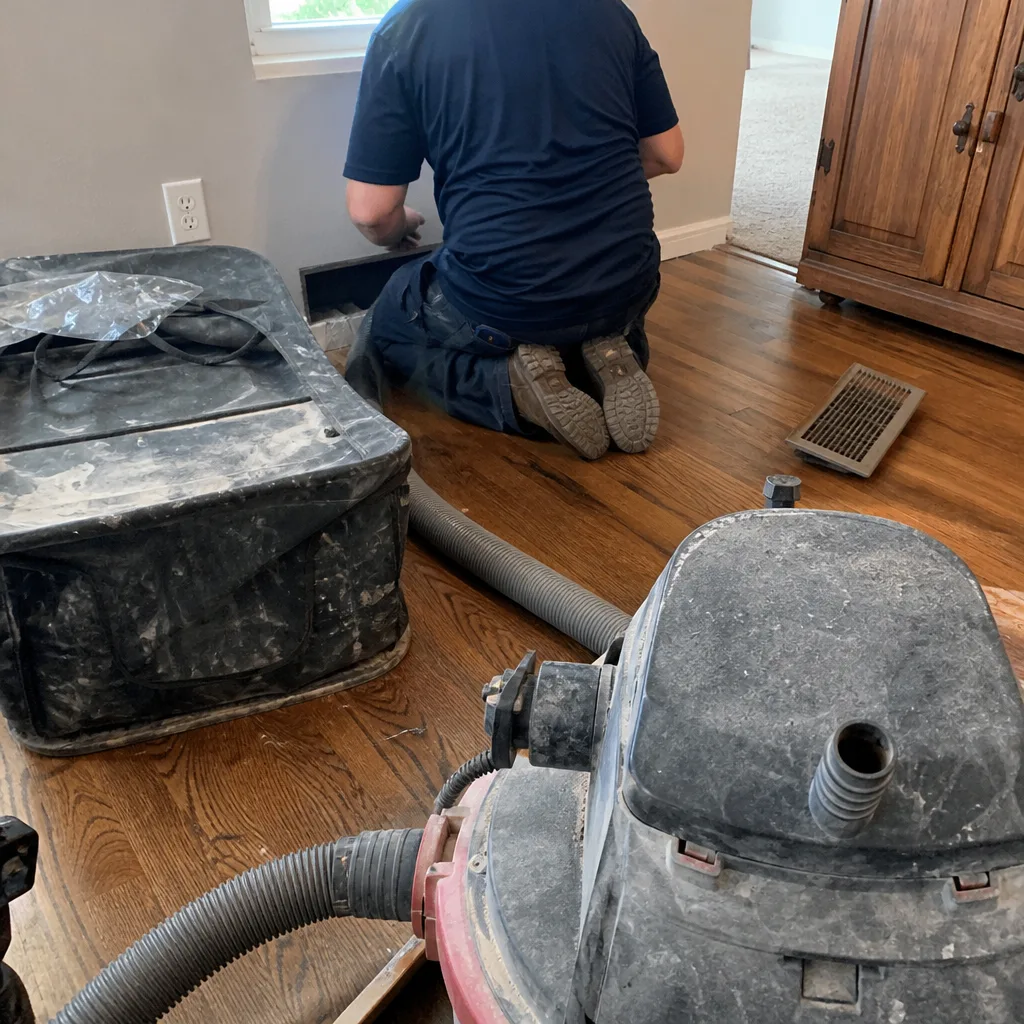 Before
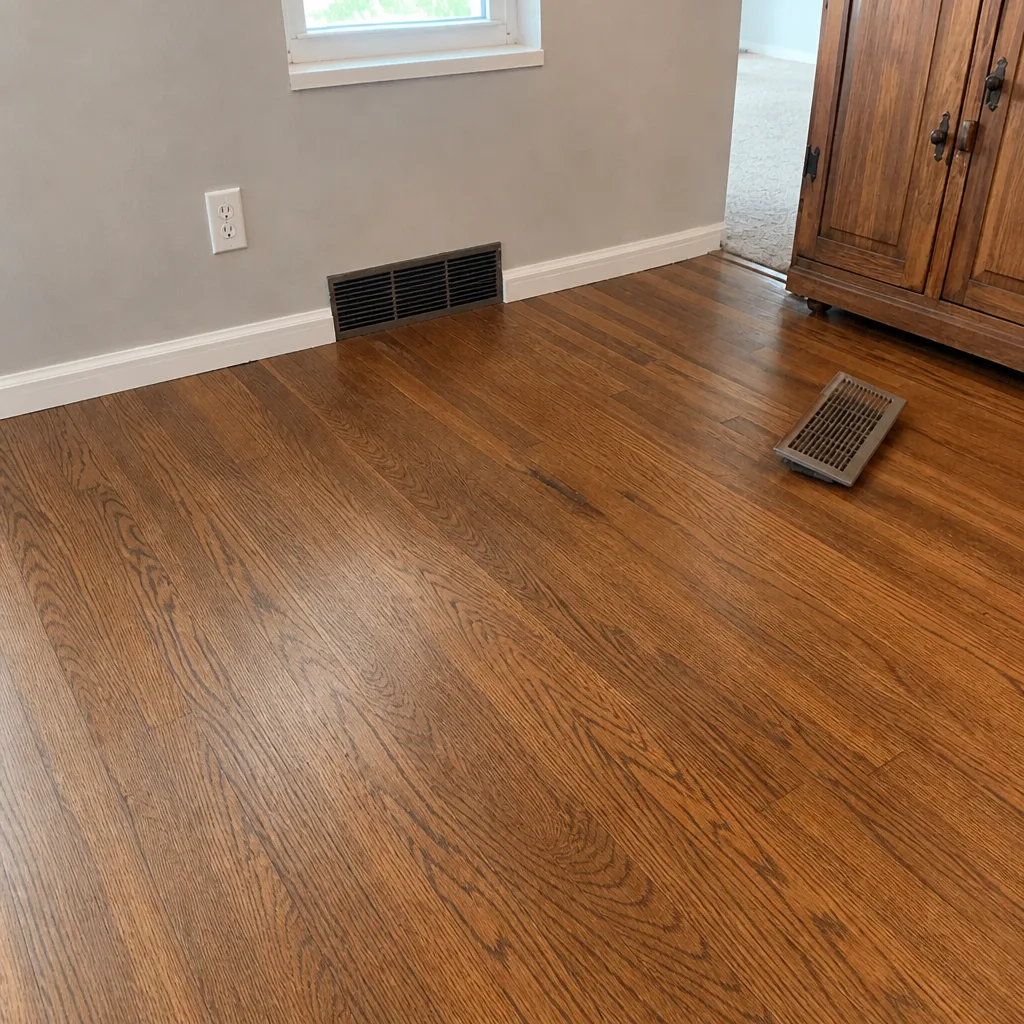 After
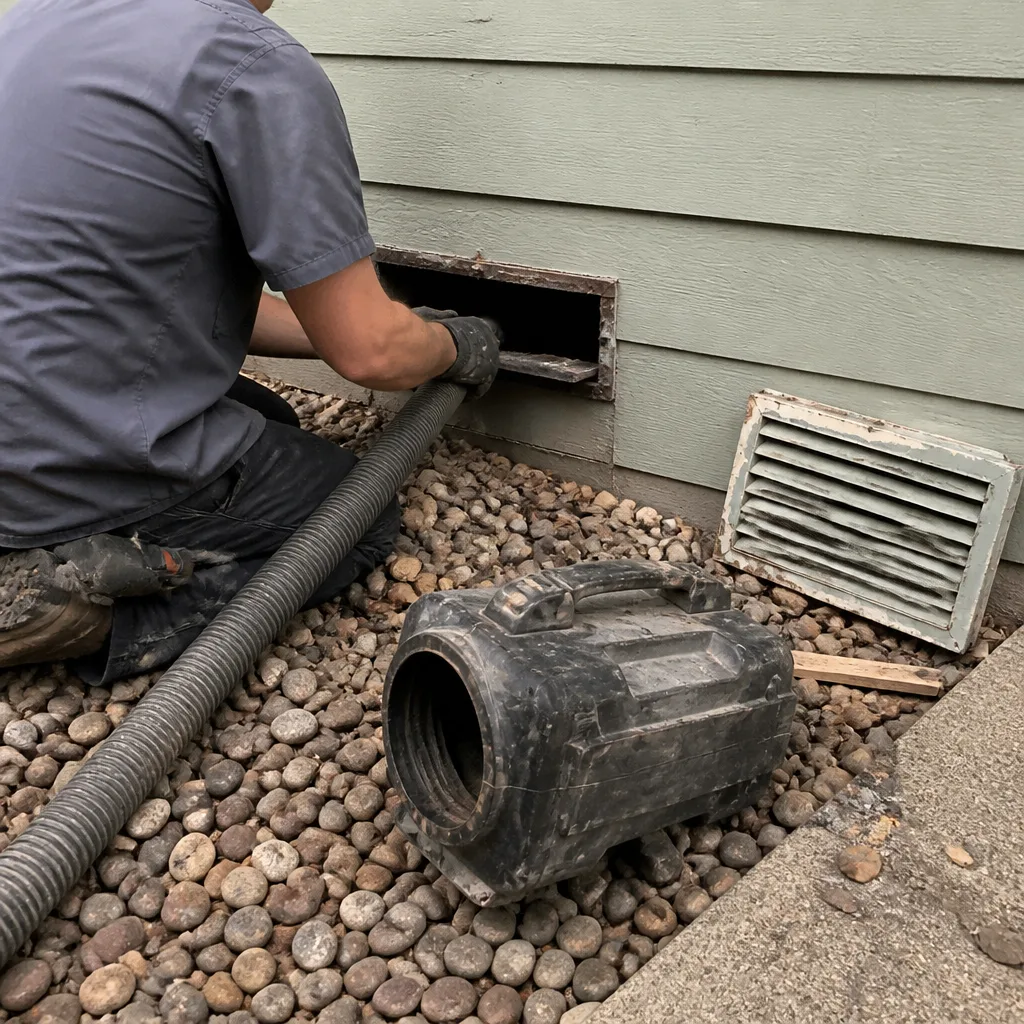 Before
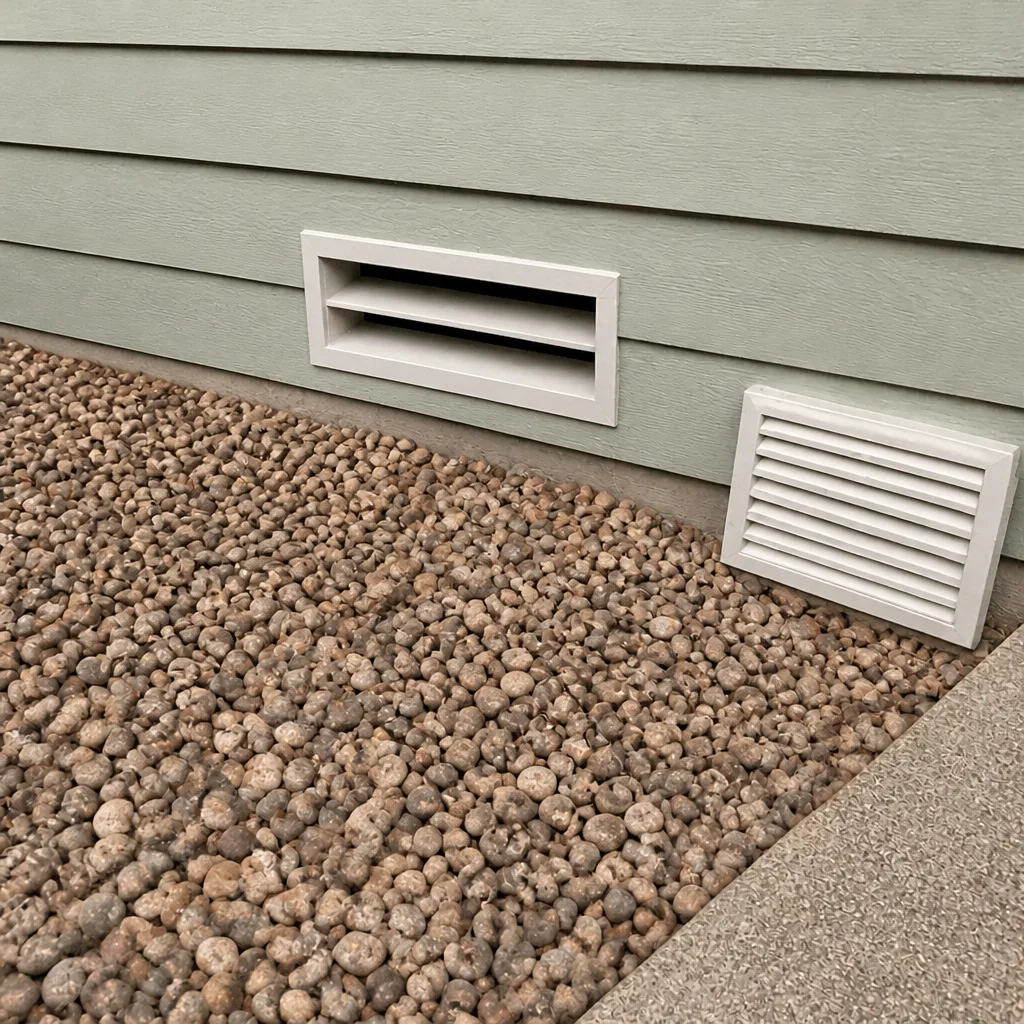 After
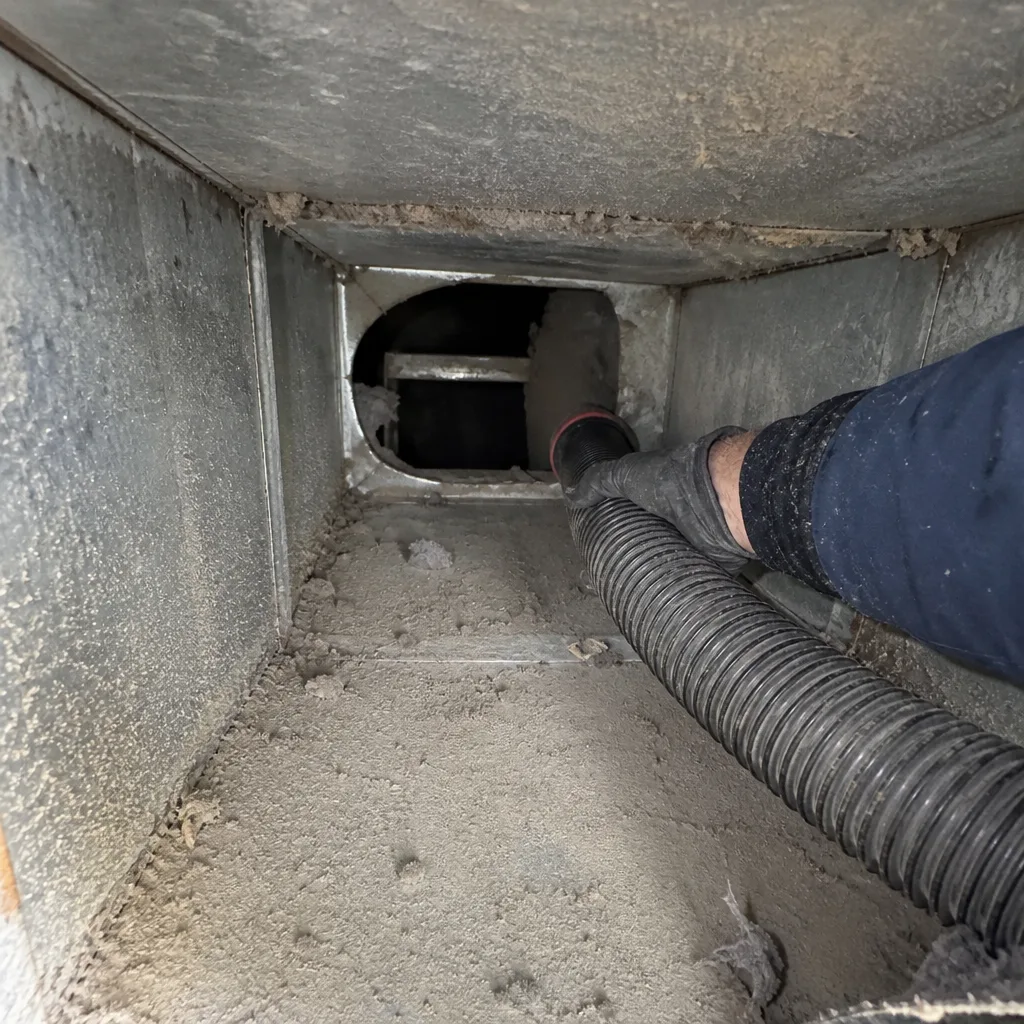 Before
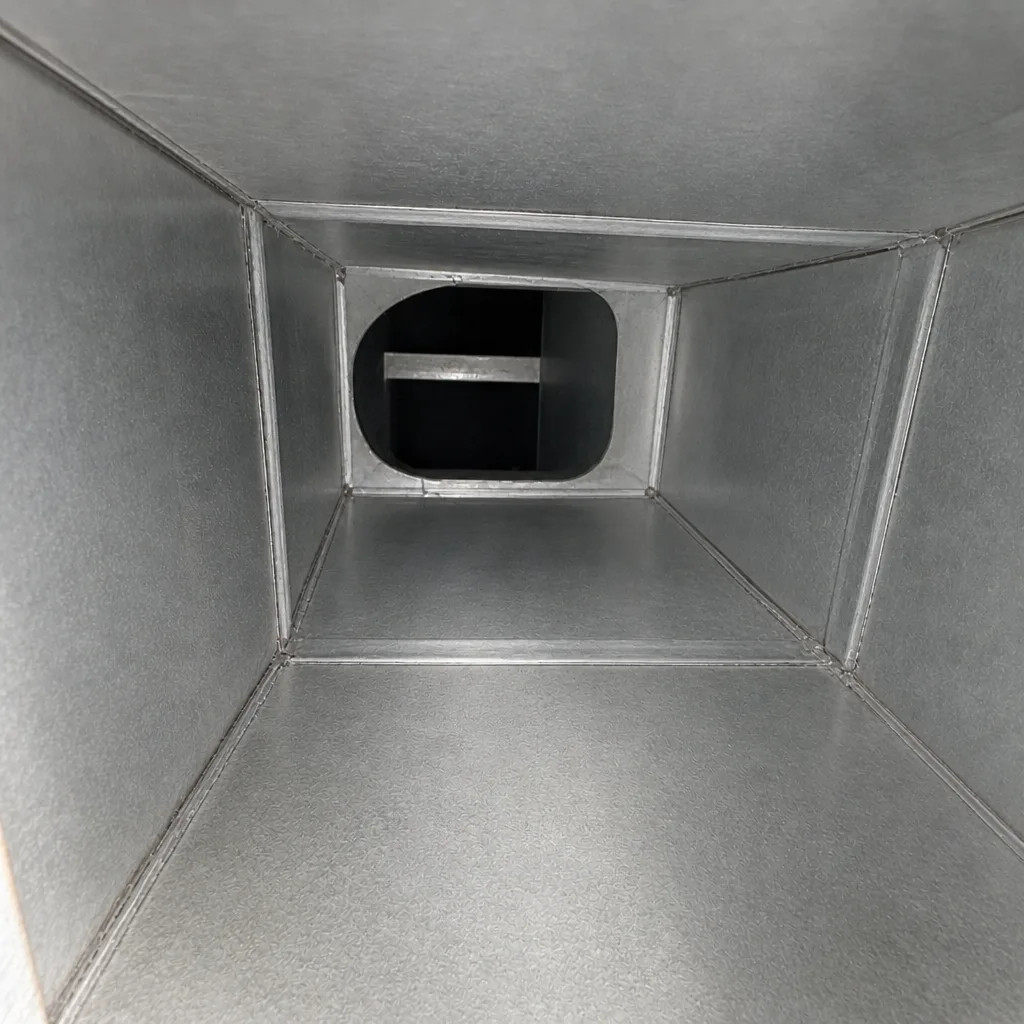 After
When to Call a Professional
Call a professional if you’re seeing symptoms that point to a duct system problem, and especially if you’re planning work that could touch the permit line. Worsening allergy symptoms at home, musty odors when the system runs, uneven heating or cooling room to room, and a jump in energy bills without an obvious cause all point to duct leaks or buildup. If you’re considering aerosol sealing, that’s a call before work starts, because static pressure testing and a permit check come first. If you’re eyeing a home sale or the permit history on a recent HVAC replacement is unclear, that’s a professional assessment too. Air Duct Cleaning Southlands offers free estimates in Southlands. Call (855) 624-1395. We answer 24/7. Fast dispatch from 7am to 7pm, Sunday through Friday. Our technicians have up to 14 years of experience, and the local pro is licensed and insured as their state requires. One flat price per system, agreed before work starts.
Frequently Asked Questions
No. Air duct cleaning in Southlands and across Colorado is not a permitted activity, so a standard source-removal and vacuum visit doesn’t require a permit or an inspection. Cleaning removes material that’s already inside the system without changing the system itself. The permit question only comes up when the scope includes sealing, lining, replacement, or modification. Call (855) 624-1395 for an exact quote on your scope. Estimates are free.
Sometimes. Aerosol sealing such as Aeroseal and similar processes is often treated as a mechanical alteration, and in some Colorado jurisdictions it requires a mechanical permit. The classification depends on your local authority having jurisdiction, not on a single statewide rule. Always ask the sealing contractor to confirm permit status before the work starts, and get the answer in writing.
Request the permit history for your address from your local building department and compare the dates to your equipment tags and any paperwork you inherited. If the furnace or air handler was replaced in a year with no corresponding permit, that’s a flag. A visual duct assessment can also surface signs of unrecorded modification, such as mismatched duct materials or transitions that don’t match the original layout. Call (855) 624-1395 to schedule an assessment; estimates are free.
It can. An open permit shows up in a title search, and buyers’ agents routinely ask for it to be closed before proceeding. The fix is usually a final inspection with the local authority having jurisdiction, but scheduling takes time and the timeline isn’t yours to control. The safest move is to verify your permit history as soon as you start considering a sale.
It should itemize each task separately, assign a permit status to each one, reference the mechanical code section the contractor is relying on, include pre-work static pressure readings if sealing is involved, and commit to before-and-after photos of your own duct system. A one-line letter that says “no permit required” for the whole job isn’t a scope-of-work letter. Ask for specifics.
Pricing is per system, not per vent, and the written estimate sets the final number. Duct sealing and repair are priced separately from cleaning because the scope is different and the permit implications are different. Why are some quotes so much cheaper? Per-vent teaser pricing can’t cover the containment, filtration, and scope verification the work actually requires, so the number grows once a technician is on site. We work from one flat price per system agreed before work starts, with before-and-after photos of your own ducts so you can see what was done. Call (855) 624-1395 for an exact quote. Estimates are free.
The Bottom Line
Air duct cleaning doesn’t need a permit in Colorado, but duct sealing, lining, and modification often do, and Southlands homeowners are frequently caught off guard by that distinction. The practical sequence is straightforward: get a scope-of-work letter with a permit status for each task before anyone starts, document pre-work static pressure if aerosol sealing is in scope, request your permit history from the local authority having jurisdiction, and close out any open permits before a sale rather than during one. Documentation is what protects you at resale, at warranty time, and at inspection. When you’re ready to assess the system, call (855) 624-1395. We answer 24/7. Fast dispatch from 7am to 7pm, Sunday through Friday.
Written by the team at Air Duct Cleaning Southlands.