
Last updated November 25, 2026
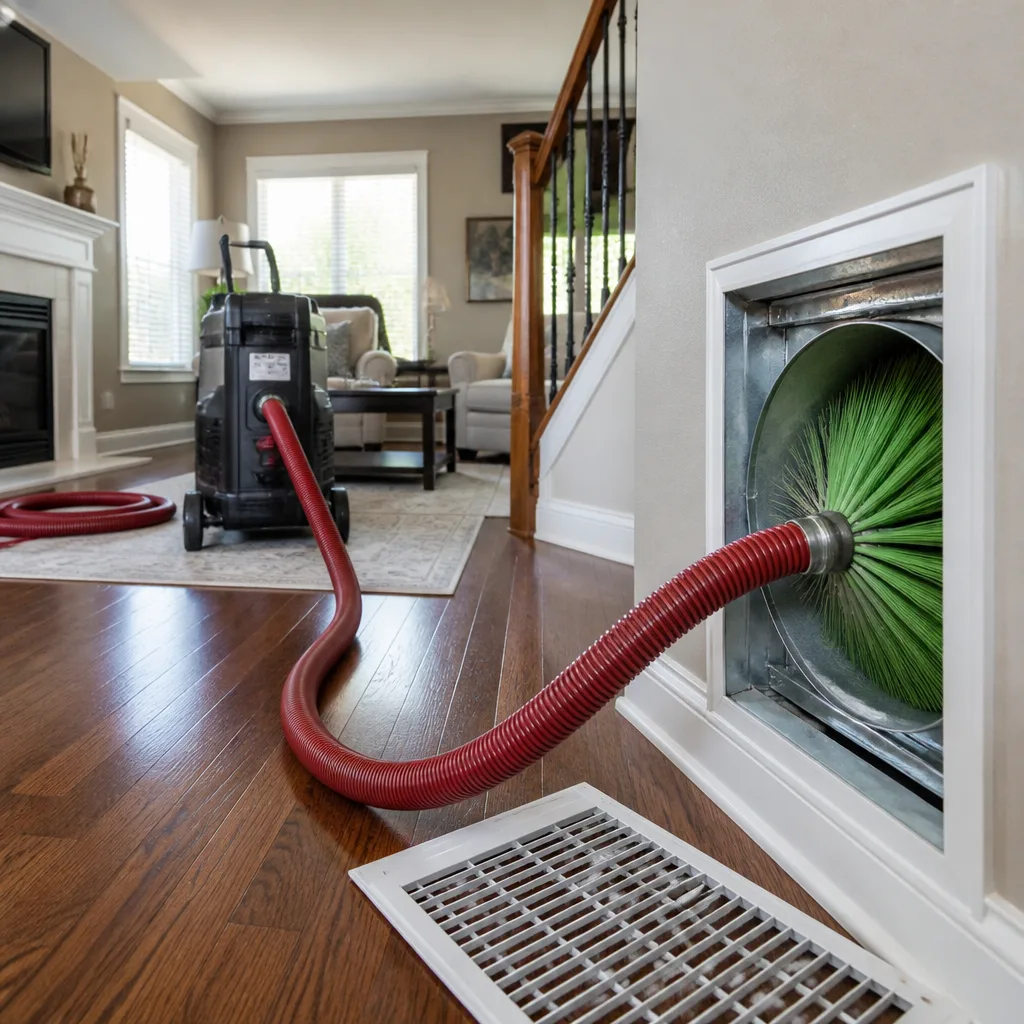 Whole-home duct cleaning
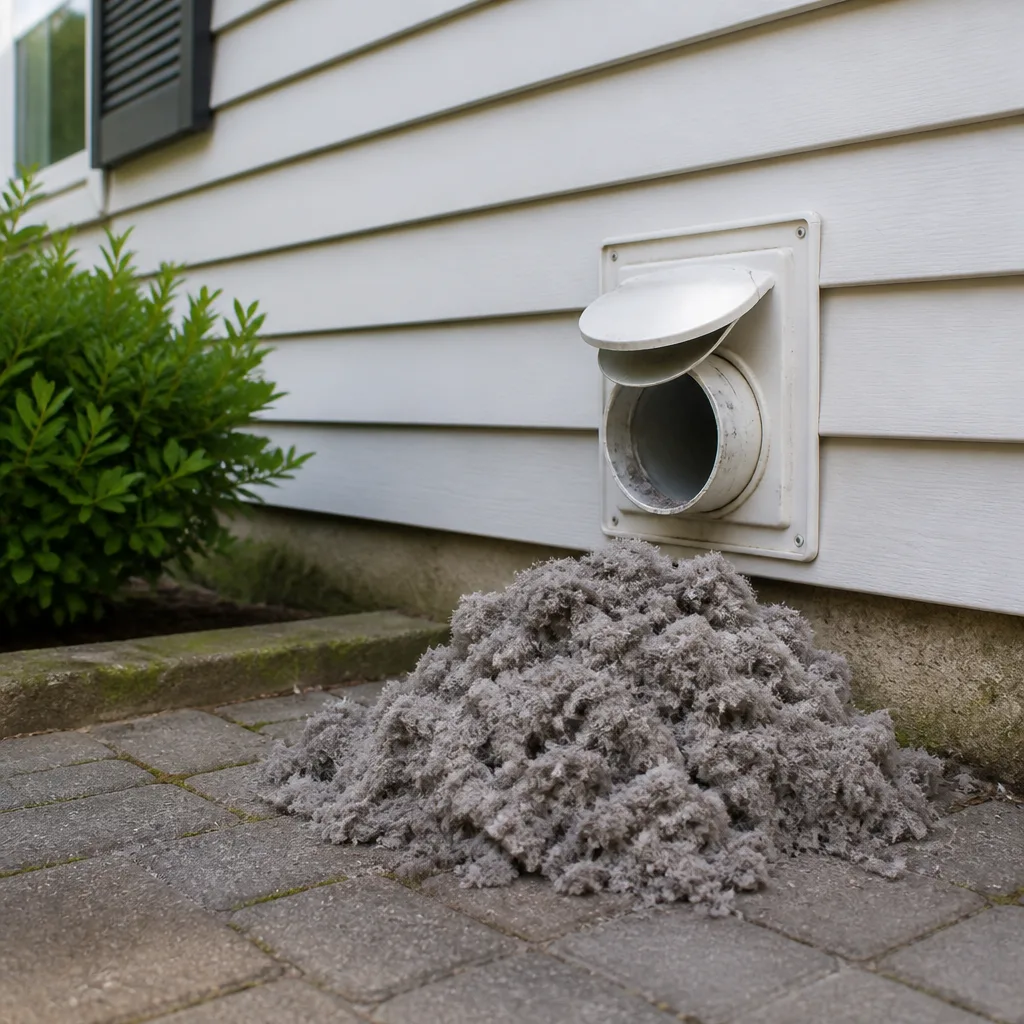 Dryer vent cleaning
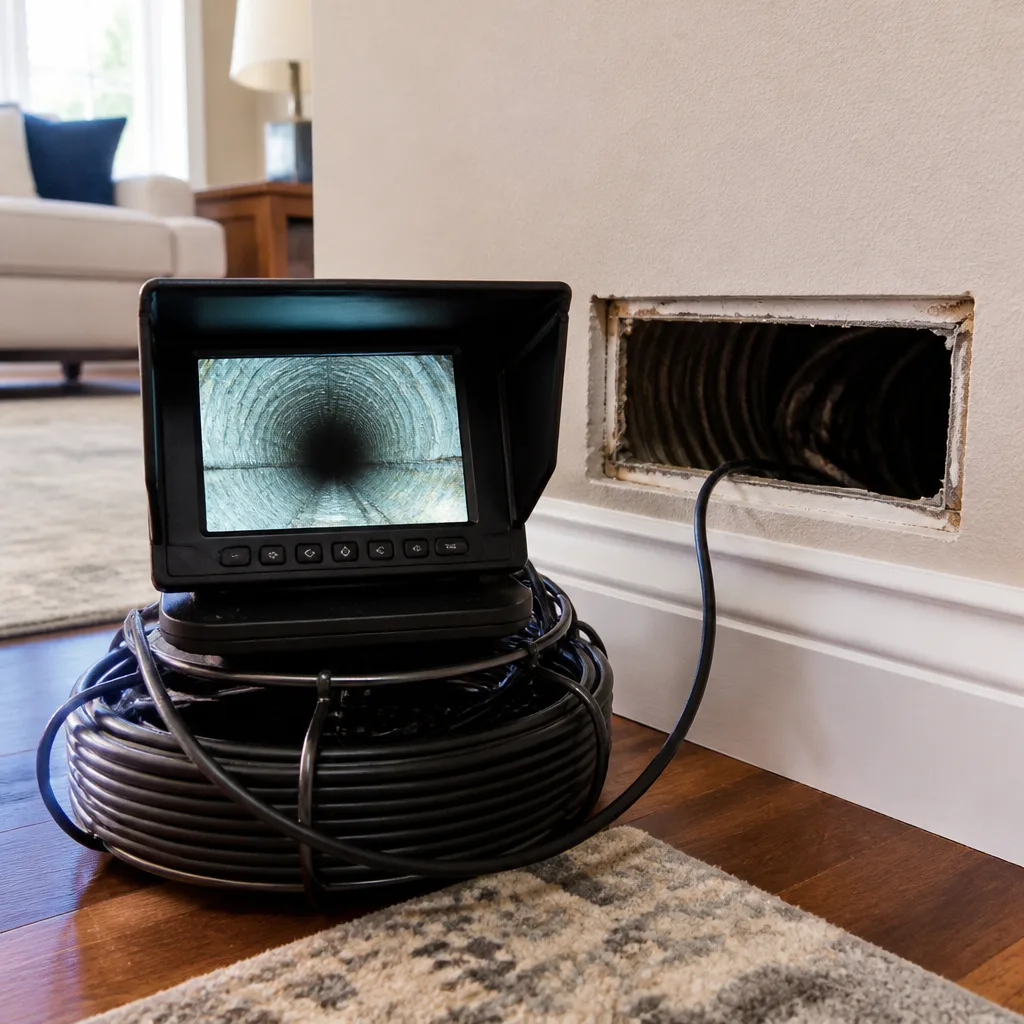 Camera inspection
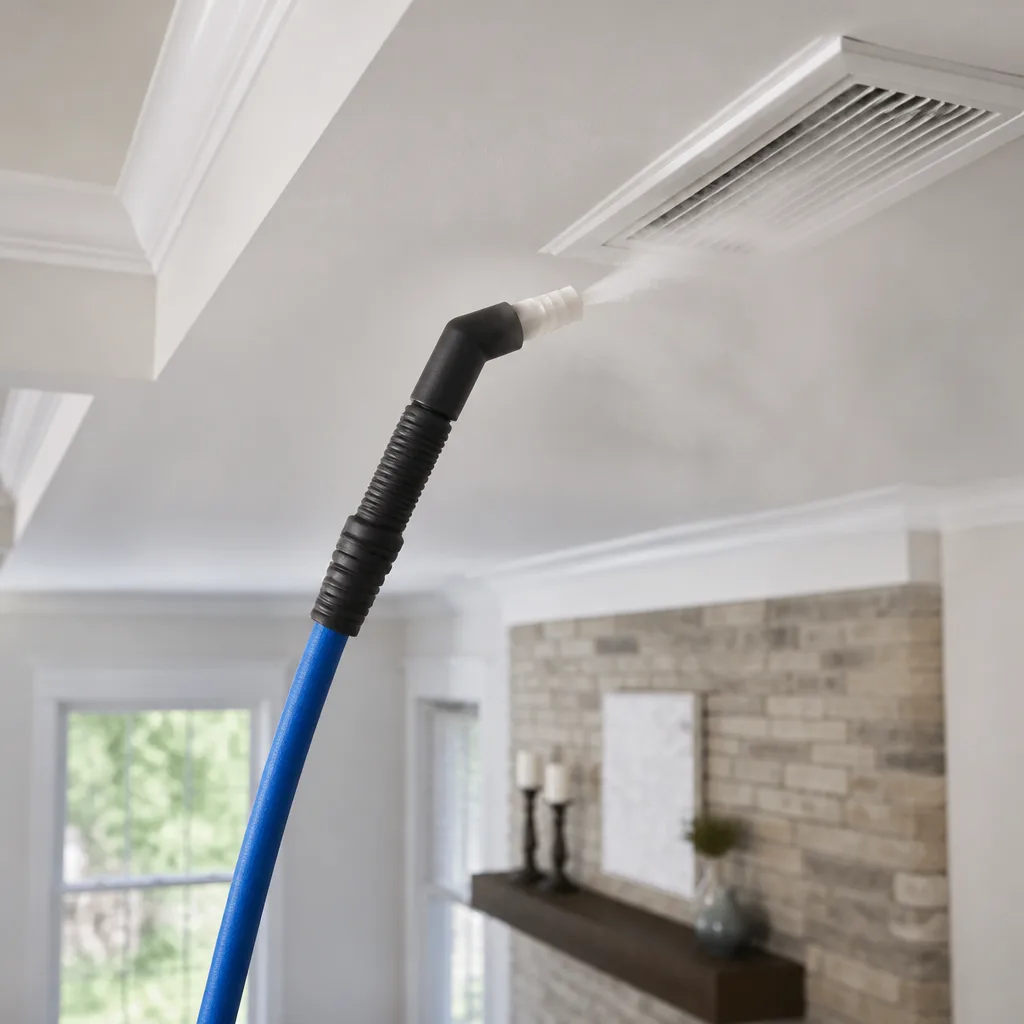 Sanitizing & deodorizing
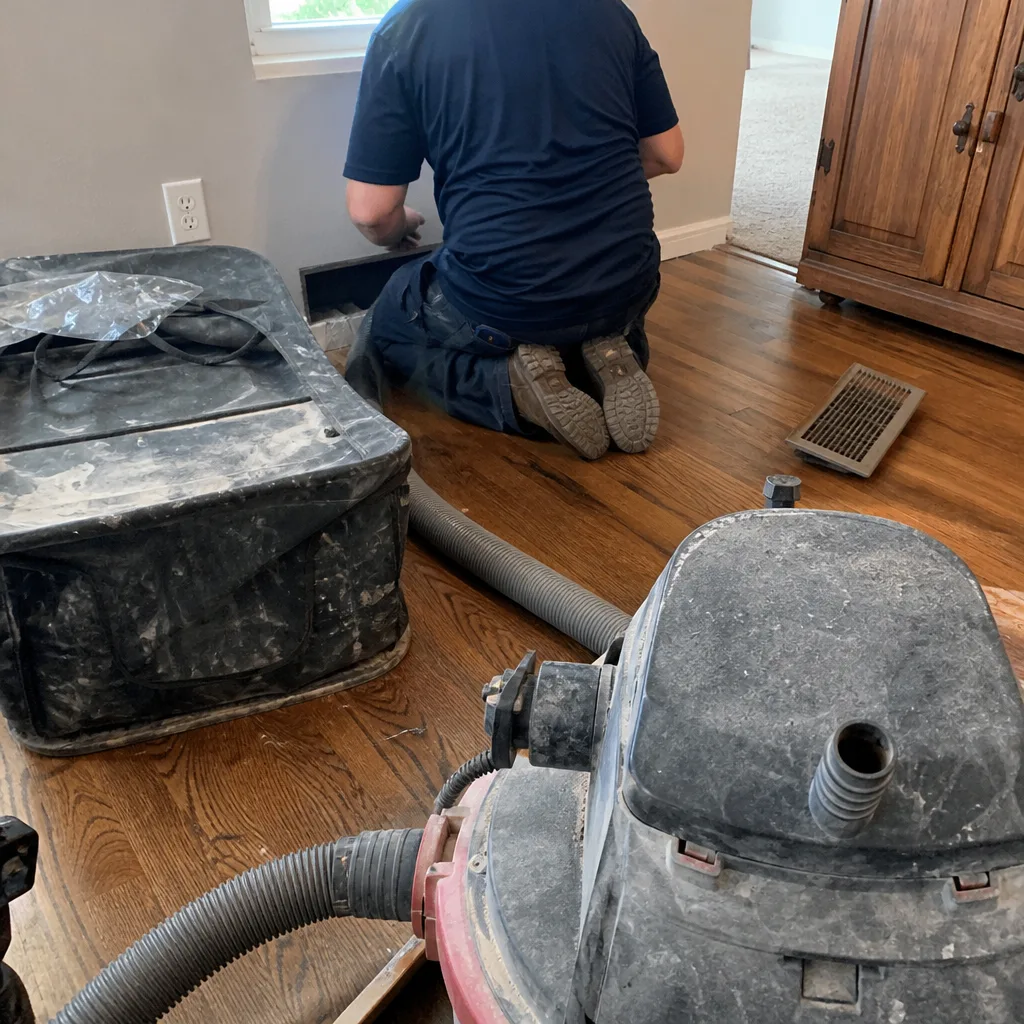
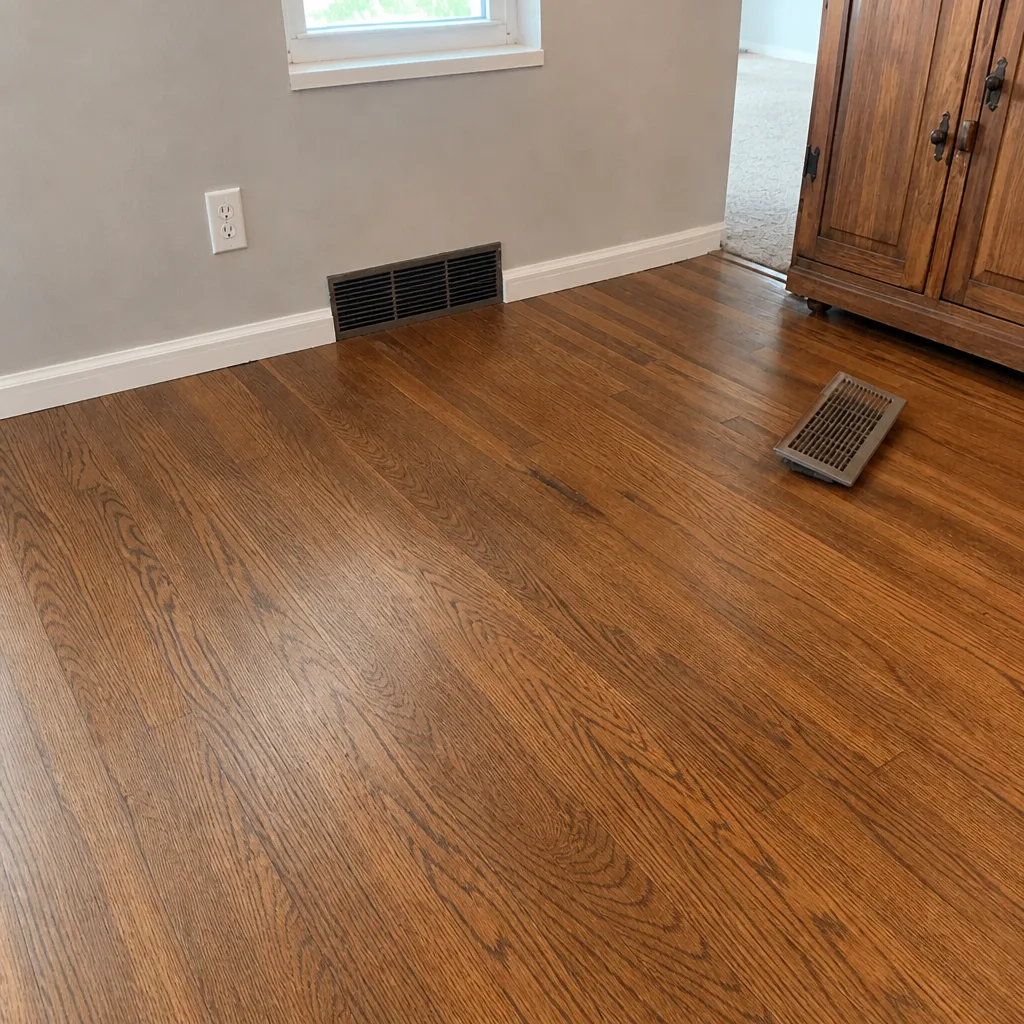
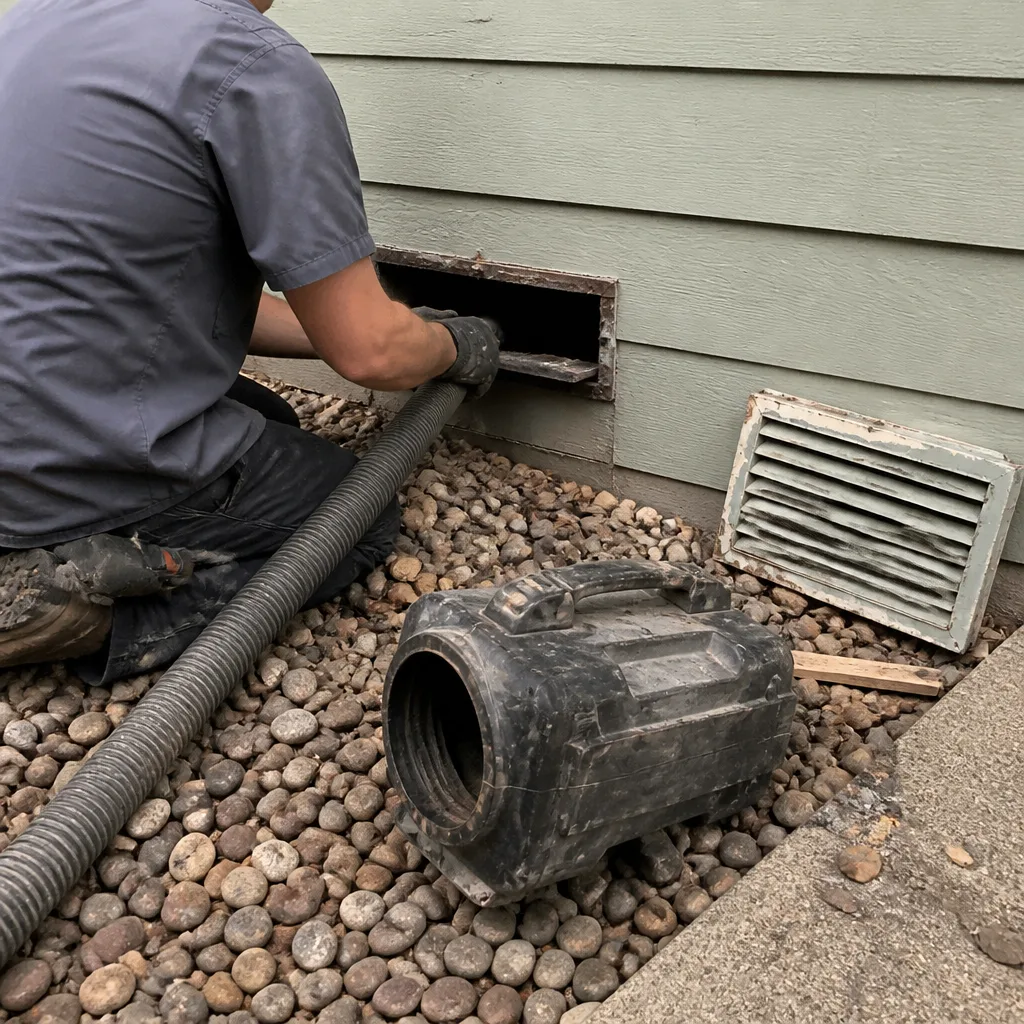
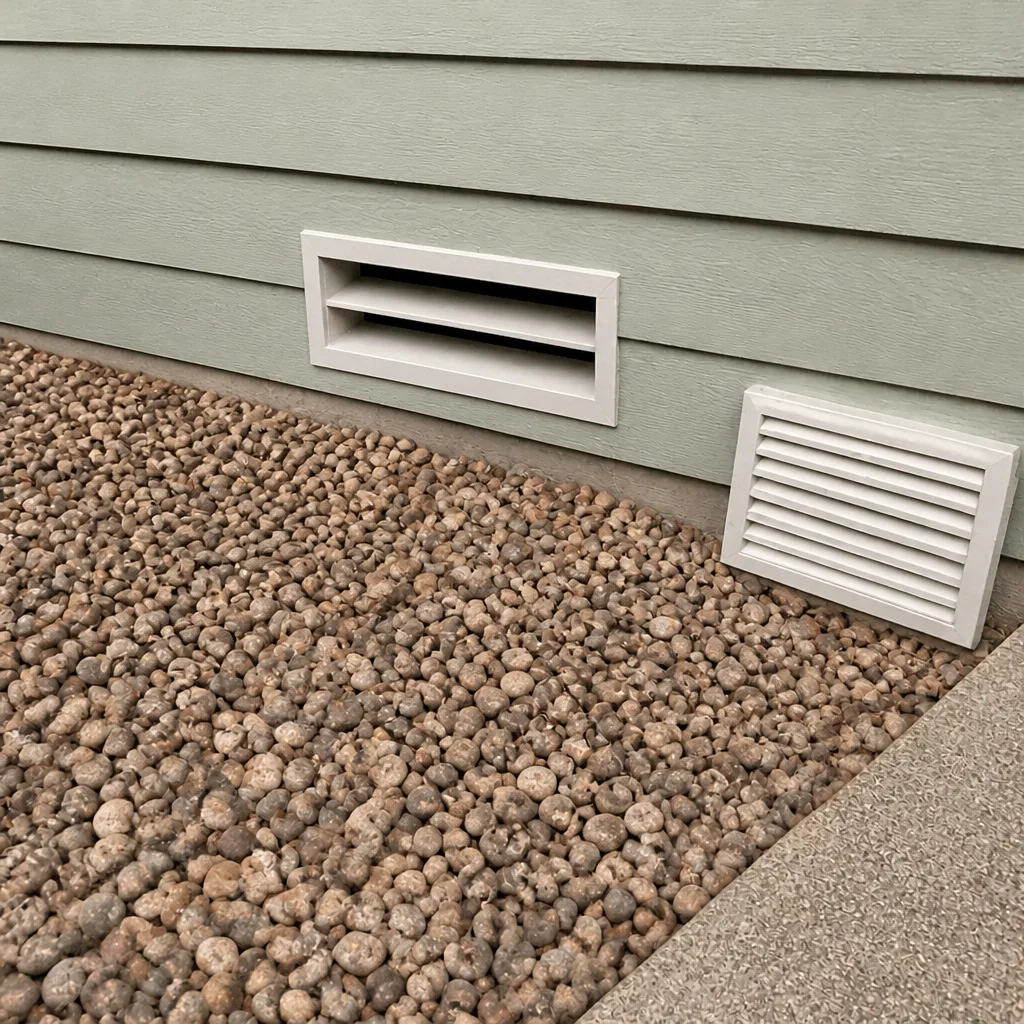
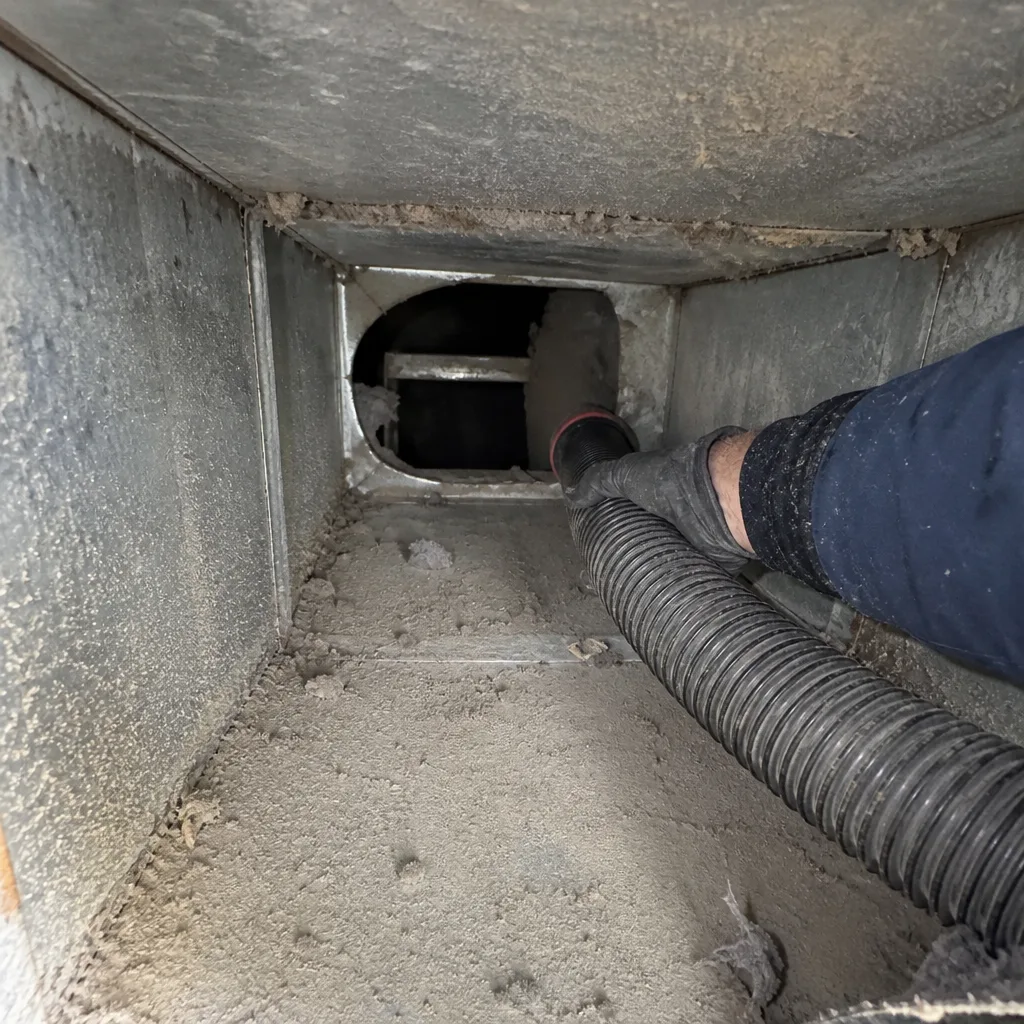
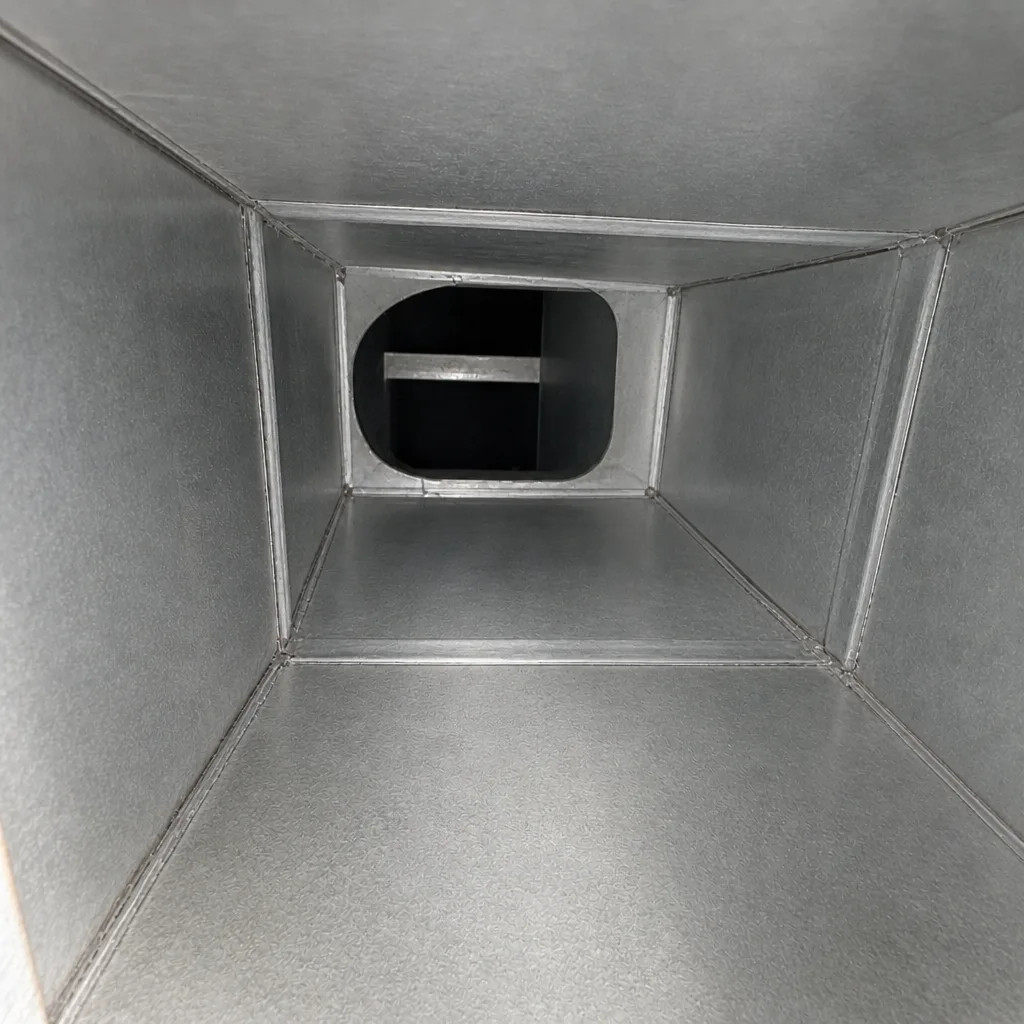
Whole-system duct and dryer vent check with before-and-after photos - you see exactly what came out of your vents
That "$99 whole-house special" is a bait ad - the real number appears once they are in your hallway, or the "clean" is a shop-vac at the register. We photograph the inside of your ducts before and after instead.
Air Duct Cleaning Warning Signs: A Southlands Homeowner’s Reference Guide
Most homeowners look for duct problems at the vents. That’s usually the last place they show up. By the time you can see dust streaking a register, the real evidence has been sitting in your utility bills and your family’s morning routine for months. A 15 to 20 percent unexplained jump in heating or cooling costs points to duct leakage or a serious blockage far more reliably than it points to a rate change, yet that’s the variable most people blame first. This guide shows you how to read the quieter signals: airflow patterns, odor types, dust that returns in days, and health patterns tied to time spent at home. We’ll walk through each one so you can tell a surface-level nuisance from a system that needs real attention in Southlands.
Quick Answer
The core warning signs of a failing duct system are energy costs that climb without a rate increase, rooms that never heat or cool evenly, musty or burning odors when the system runs, dust that reappears within days of cleaning, and congestion that clears when you leave the house. Any two of these together usually mean you’re losing airflow through leaks or dealing with contamination, not just ordinary dust. A visual check of the vents alone won’t confirm it, so a proper assessment of the whole system is the right next step.
Styles & brands we work with
- Whole-home duct cleaning
- Dryer vent cleaning
- Camera inspection
- Sanitizing & deodorizing
Table of Contents
- Why Your Energy Bill Is the First Warning Sign
- Room-by-Room Airflow Imbalance: A Diagnostic Signal
- Odor Taxonomy: Musty, Burning, and Chemical Smells
- Visible Dust That Returns Within Days
- Occupant Health Patterns Worth Noticing
- The Dryer Vent Warning Signs Homeowners Miss
- Cracked and Disconnected Ducts: The Hidden Culprit
- Why Equipment Matters More Than the Sales Pitch
Why Your Energy Bill Is the First Warning Sign
Run this calculation before you call anyone. Pull the same month from last year and this year, subtract any rate increase you were notified about, and divide the difference by last year’s total. If the gap lands between 15 and 20 percent and you didn’t change how you use the system, that’s a duct efficiency loss indicator. Leaky or blocked ducts make the equipment run longer to hit the same setpoint, so the energy goes out through gaps instead of into your rooms.
Here’s how to work through it in a few minutes:
- Gather twelve months of utility statements so seasonal swings don’t fool you.
- Compare the same billing period year over year, not month to adjacent month.
- Subtract the rate change printed on the statement.
- Divide the remaining difference by the prior-year figure to get a rough percentage.
- Cross-check against a milder-than-usual season, which can mask or exaggerate the number.
What this tells you is direction, not diagnosis. A rough loss estimate says your system is working harder than it should. It can’t tell you whether the cause is a disconnected run in the attic, a crushed flex duct under a floor, or simply a clogged return. In Southlands, where many homes run their systems hard through both a cold winter and a hot, dry summer, that extra runtime compounds across the year and makes leaks more costly than they’d be in a milder climate.
The same calculation explains why a duct problem can hide for a whole season. You blame the cold snap or the July heat, the bill creeps up, and nothing seems obviously broken. If the number holds after two or three comparisons and you haven’t changed your habits, it’s worth having the system looked at.
Room-by-Room Airflow Imbalance: A Diagnostic Signal
Walk your house and note which rooms consistently run hot or cold regardless of the thermostat setting. That pattern is one of the most reliable diagnostic signals there is, because the way rooms fall out of balance tells you where the trouble likely sits in the duct layout.
- A single room never conditions well: often a disconnected, crushed, or poorly sealed branch run feeding that room.
- Rooms farthest from the air handler are weakest: pressure loss along a long duct path, usually worsened by leaks upstream.
- Upper-floor rooms underperform, lower floors are fine: a classic sign of leaks lowering system static pressure on the way up.
- One side of the house is fine, the other struggles: a blocked or damper-restricted trunk serving that side.
- Every room feels weak at once: a clogged filter or a restriction at the return, not a room-specific problem.
The misreading to avoid is treating this as a thermostat problem. A new thermostat can’t push more air into a room that’s cut off from the supply. Rooms that run hot in summer and cold in winter in the same pattern usually point to insufficient airflow, not a control issue.
Southlands homes built on sloped lots often have long, angled duct runs to reach the lower level, and those runs are where leaks and blockages first show up. If your walkthrough turns up the same two or three problem rooms every time, write them down. It gives whoever assesses the system a starting map instead of a guess.
Odor Taxonomy: Musty, Burning, and Chemical Smells
Not all smells from your vents mean the same thing, and confusing them can send you toward the wrong fix. Each odor type points to a different condition inside the system, which changes the cleaning scope and whether sanitizing is part of the job.
Musty or earthy smells
A musty odor that strengthens when the system starts points to moisture and microbial growth somewhere in the ductwork, often near the air handler or in a section that stays cool and damp. This is the one most likely to call for sanitizing after cleaning rather than a plain vacuum-out, because removing the debris alone doesn’t address what’s growing on the surface.
Burning or hot-dust smells
A burning smell on first startup that fades within a few minutes is usually dust settling on the heat exchanger and burning off. If it happens once in a while after a long idle period, it may be normal. If it persists, gets stronger, or comes with a metallic edge, stop using the system and have it checked, because that’s a safety matter for a trained technician, not a cleaning call.
Chemical or synthetic smells
A faint chemical or plastic odor can come from insulation or components off-gassing, especially in a system that sat unused. That’s different from microbial growth and calls for inspection rather than a sanitizing treatment as the first move.
In our experience around Southlands, the dry climate makes some homes less prone to damp-dust smells in summer but more prone to dust-burning smells at the first cold snap, when a system that sat through a warm fall heats up dust that settled on the exchanger. Pay attention to timing: a smell that appears only at startup is a different matter from one that hangs around the whole time the fan runs.
Visible Dust That Returns Within Days
Some dust after a cleaning is normal. Dust that repopulates your furniture and registers within three to five days usually means the cleaning didn’t fail. It means something is letting unfiltered air bypass the filter and carry debris straight into the ducts.
Filter bypass is the usual culprit. Common reasons:
- A filter that’s the wrong size for the slot, so air slips around its edges.
- A filter frame that’s damaged or missing its gasket, leaving gaps at the sides.
- A filter seated loosely in a return grille that’s been banged out of place.
- An oversized filter in a slot designed for a different size, common after a homeowner swaps brands.
That’s why a simple vacuum of the vents never fixes this pattern. If air is bypassing the filter, it carries dust straight past it and deposits it in the duct run, then back into your rooms whenever the fan runs. The fix is to close the gap: a properly sized filter, a sealed frame, or a filter upgrade rather than another cleaning.
Southlands homes near open land can pull in more airborne particulate through a bypassing filter than a home shielded from windblown soil, so a small leak that wouldn’t matter elsewhere shows up faster here. That’s a climate detail, not a cleaning failure, and it’s worth telling whoever assesses your system so they check the filter fitment before assuming the ducts are the problem.
Occupant Health Patterns Worth Noticing
This isn’t about diagnosing illness. It’s about patterns. A symptom that clears when you leave the house and returns when you come back is a pattern worth paying attention to, because it points toward something in the home environment rather than something you caught elsewhere.
Patterns people describe most often:
- Morning congestion or a scratchy throat that eases once you’re away at work.
- Allergy-type symptoms that seem worse in certain rooms or worse when the system runs.
- Waking with a stuffy nose that clears within an hour of being outside.
- Irritation that shows up only during heating or cooling season.
- Guests noticing a smell or reacting in a room the household has adjusted to.
None of these confirms a duct problem on their own. But when they line up with musty odors, dust that keeps returning, or uneven airflow, they strengthen the case that the ductwork deserves a look. The logic is straightforward: if contamination collects in the ductwork and the blower recirculates that air, symptoms tied to time indoors would follow the same pattern.
Children, older adults, and anyone with respiratory sensitivity tend to notice indoor air quality shifts first, which is why a family’s own observations, not a diagnosis, are a useful starting point. The right move is to describe the pattern to whoever assesses the system, because a family that reacts to musty air in one wing of the house is pointing toward a specific section of ductwork worth checking.
The Dryer Vent Warning Signs Homeowners Miss
Your dryer vent is a fire risk. Your air ducts are a health risk. They share a source, often share a location, and they’re worth handling in one visit, yet most homeowners only think about the ductwork and forget the dryer vent sits right beside it doing the same kind of quiet accumulation.
Signs your dryer vent needs attention:
- Clothes take longer than one cycle to dry, and the time crept up gradually.
- The dryer or the wall behind it feels unusually warm during a cycle.
- The outside vent flap doesn’t open fully or stays shut while the dryer runs.
- Lint is visible around the outside vent hood or collecting behind the dryer.
- There’s a faint burning or scorched smell near the dryer.
A clogged dryer vent is one of the most common causes of dryer fires, and the buildup that causes it is the same lint and debris logic you see in ductwork. It’s the kind of routine maintenance that gets forgotten because nothing visibly breaks until it does. dryer vent cleaning handled alongside a duct service means both the air you breathe and the appliance you rely on get checked in one trip.
In Southlands, where homes often have the laundry paired with the utility area and a longer, angled vent run to reach the exterior wall, lint has more corners to collect in. A longer run also means the dryer has to push harder to exhaust, which tends to shorten drying time complaints into a slow creep you might not notice for months.
Cracked and Disconnected Ducts: The Hidden Culprit
Here’s the gap most cleaning-only providers leave behind. You can pull every bit of debris out of a duct and still have a system that loses half its air to a disconnected joint in the attic a month later. Duct integrity is part of the assessment, not an afterthought.
Where leaks hide in a typical Southlands home:
- At joints where flex duct meets a metal trunk, often under loose tape or mastic.
- At collar connections where a branch run meets the main duct, a common disconnect point.
- Along attic runs where insulation has shifted and a duct has been stepped on or crushed.
- At seams in the air handler cabinet and around the filter slot.
- In crawlspaces where rodents or settling have pulled sealing material free.
What makes this matter is that a leak does two things at once. It loses conditioned air before it reaches the room, and it pulls dirty air into the system from whatever space the duct passes through. An attic leak in summer is pulling hot air into your supply. A crawlspace leak can pull in soil and moisture along with it. That’s why sealing belongs in the same visit as cleaning: clean ducts with leaks just re-dirty themselves.
We handle air duct cleaning and duct repair and sealing together so a system leaves in better working order than it arrived, not just cleaner. That combination, cleaning plus sealing plus sanitizing, is what separates a full-system assessment from a one-task crew.
Why Equipment Matters More Than the Sales Pitch
Duct cleaning results depend almost entirely on the equipment. A shop-vac rig pulls loose surface dust and nothing else. The embedded debris that coats duct walls, the kind that feeds odors and keeps re-entering your rooms, needs physical agitation to break loose and high-filtration extraction to capture it instead of recirculating it into your living space.
That’s why we run Rotobrush rotary-brush systems, which agitate and extract debris from duct walls the way commercial contractors do it. Paired with Nikro HEPA-filtration vacuum equipment, the dislodged particulate gets captured rather than blown back into the room. For sanitizing, we use Abatement Technologies air-scrubbing equipment, the same class of tools used in remediation projects, along with Guardsman-grade treatments applied after the clean so the work addresses mold, bacteria, and allergens at the surface rather than just removing loose debris.
Air quality upgrades are available at the time of service too, including Honeywell and Aprilaire integration for filtration and humidity control. The point isn’t to sell you more equipment. It’s that a full assessment looks at airflow, filtration, and duct condition as one system, because each piece affects the others. Clean ducts start with the right tools, and you should be able to ask any provider what equipment they use before they start. If the answer is vague, that tells you something.
We summarize where things stand after the visit, and we share before-and-after photos of your own ducts so you can see what changed rather than take it on faith. Our technicians have up to 14 years of experience and know the Southlands housing stock, from newer builds with tight attic runs to older homes where duct layouts were retrofitted.
Common Mistakes to Avoid
- Treating a rate increase as the cause of a bill jump. Compare the same billing period year over year and subtract the rate change before assuming your ducts are the problem, and before assuming they aren’t. Most homeowners skip that step and chase the wrong variable.
- Buying a cleaning without a duct assessment. A crew that vacuums the vents and leaves without checking for leaks or disconnections doesn’t address where dirty air comes from in the first place. Duct condition and cleaning are two parts of one job.
- Ignoring airflow patterns and blaming the thermostat. Rooms that consistently run hot or cold won’t be fixed by a new setback schedule or a replacement thermostat. The pattern points to the duct run serving those rooms.
- Assuming one round of cleaning failed when dust returns in days. Dust that’s back within three to five days usually means the filter is bypassing, not that the cleaning was poor. Get the filter fitment checked before booking another visit.
- Treating a musty smell as seasonal. A musty odor that intensifies when the system runs points to microbial growth that a plain vacuum won’t resolve. It calls for a sanitizing treatment after cleaning, not a repeat cleaning.
- Forgetting the dryer vent entirely. A dryer that’s taking longer to dry clothes or a vent flap that won’t open fully is a fire-risk pattern. It’s worth handling during the same visit as the ductwork rather than waiting for a separate appointment.
- Scheduling a cleaning in Southlands without asking about sealing. Clean ducts with open leaks re-dirty themselves within weeks, so a full-service provider should be able to repair and seal as part of the job, not hand you off to another contractor.
See the difference
 Before
 After
 Before
 After
 Before
 After
When to Call a Professional
Call a professional when two or more of the warning signs in this guide line up, when you can’t account for a 15 to 20 percent jump in your energy bill, or when a musty smell strengthens every time the system runs. Call sooner if you notice a burning smell that doesn’t fade after startup, if a room has never conditioned well regardless of thermostat settings, or if dust returns to your furniture within days of cleaning. These are the cases where a proper assessment of the whole system, not a quick vacuum of the vents, is the right next step. Air Duct Cleaning Southlands offers free estimates in Southlands, and a full visit covers air duct cleaning, dryer vent cleaning, HVAC cleaning, duct repair and sealing, and air quality and sanitizing together. Call (855) 624-1395. We answer 24/7. Fast dispatch from 7am to 7pm, Sunday through Friday.
Frequently Asked Questions
The clearest single sign is the energy bill pattern: a 15 to 20 percent jump that isn’t explained by a rate change, held across at least two comparable billing periods. Combine that with rooms that never heat or cool evenly, dust that returns within days, or a musty smell that intensifies when the fan runs, and the case gets strong. Call (855) 624-1395 for an exact quote – estimates are free.
There’s no single rule, and anyone who quotes a fixed interval without looking at your system is guessing. What matters is the pattern: if your bills, airflow, dust, or odors keep bringing you back to the ductwork, the system needs attention regardless of how long it’s been since the last cleaning. Households with pets, allergy concerns, or recent renovation dust often notice buildup sooner. Call (855) 624-1395 for an exact quote – estimates are free.
Cheap quotes usually come from crews using consumer-grade vacuums with no rotary agitation, which pulls surface dust and leaves the embedded debris behind. They also tend to skip duct sealing and sanitizing, so the system re-dirties fast and you’re back where you started. Ask any provider what equipment they use. We run Rotobrush and Nikro equipment, and we offer before-and-after photos of your own ducts. Call (855) 624-1395 for an exact quote – estimates are free.
Ask for before-and-after photos of your own ductwork, which we provide, and be present for the assessment so you hear what’s found rather than getting a vague summary later. The photos are your evidence, and they should show the same duct sections before and after. Call (855) 624-1395 for an exact quote – estimates are free.
Not always, but it’s the most common cause and worth checking. A musty odor that strengthens when the system runs points to moisture and microbial growth, usually somewhere near the air handler or a cool, damp run. It typically calls for a full sanitizing treatment after cleaning, not just a vacuum. Burning and chemical smells come from different causes, so describe the odor when you call. Call (855) 624-1395 for an exact quote – estimates are free.
Yes. A full visit covers air duct cleaning, dryer vent cleaning, HVAC cleaning, duct repair and sealing, and air quality and sanitizing together, so the whole system is addressed in one trip rather than separated across appointments. Call (855) 624-1395 for an exact quote – estimates are free.
The Bottom Line
The warning signs of a failing duct system rarely show up where you’d think. Your energy bill, the rooms that never condition evenly, the kind of smell that hangs in the air, and dust that returns within days after a cleaning are the real evidence. Once you recognize those patterns, the fix stops being a guess. A full-system assessment covers cleaning, filter fitment, duct sealing, and sanitizing together, which is what keeps the problem from coming back. For HVAC cleaning that ties the whole system together, call (855) 624-1395.
Call (855) 624-1395 for a free estimate. We answer 24/7. Fast dispatch from 7am to 7pm, Sunday through Friday.
Written by the team at Air Duct Cleaning Southlands.